
How will artificial intelligence impact schools and districts this year? We asked AI and education leaders for their predictions and thoughts on the most important issues to consider as the technology evolves and adoption expands. Here's what they told us.
Stride subsidiary MedCerts, a provider of healthcare and IT training and certification programs, has developed a public school Career and Technical Education model that allows high school students who are not college bound to graduate high school with an industry-recognized credential, career-ready skills — and college credits to boot, should the student opt to attend college later on.
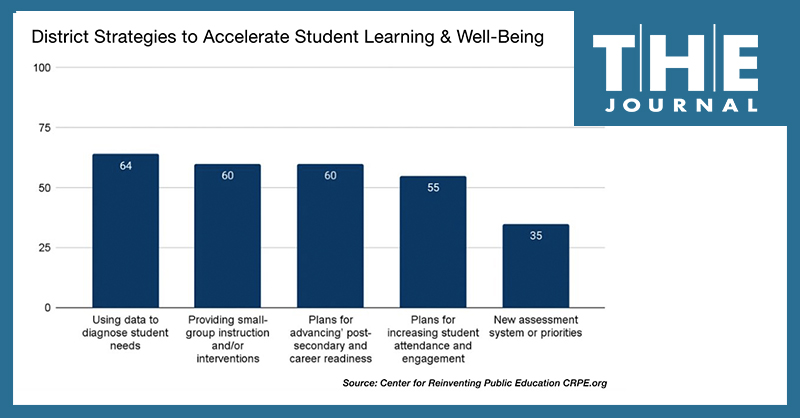
Setbacks in student achievement resulting from school shutdowns between 2020 and 2022 promise to be a pressing issue for some time to come. The good news: Research shows some effective ways to accelerate academic recovery for those students. The bad news: Not all schools are implementing these approaches, and some are implementing programs that have no positive impact — as well as programs that can lead to even greater setbacks.

How does a data-driven approach to ed tech work in practice? How does an institution gauge whether its deployments, strategies, or initiatives are effective? Statistics around the usage of technology tools is only a part of it.
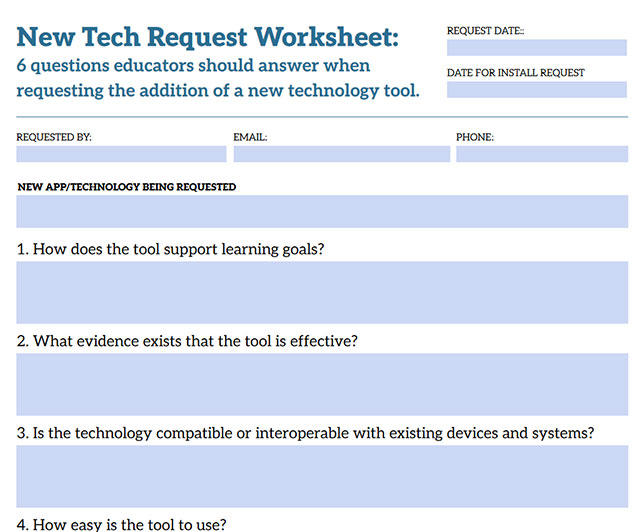
When IT teams are evaluating technologies for the classroom, the teacher's perspective shouldn’t be discounted. Teachers have a unique — and likely the best-informed — view of which tools will engage students and which will be distracting.
Intrusions into education networks have never been more rampant. And at this point, information security is the top concern among IT leaders and administration in K–12 districts. What's more, there is the distinct possibility that AI will compound the problem, while also being used to help deal with threats.

Tech Tactics in Education speaker Kevin Lewis on his journey from school security and IT support staffer to data privacy advocate — and his mission to bring greater transparency and accountability to ed tech privacy practices
Technology can not only save money and administrative resources for school districts, but it can also lead to improved accuracy, real-time reporting and budget management capabilities, and speedier purchasing and accounts payable processes. Here, one district CFO shares his insights on digitally transforming finances in K–12.
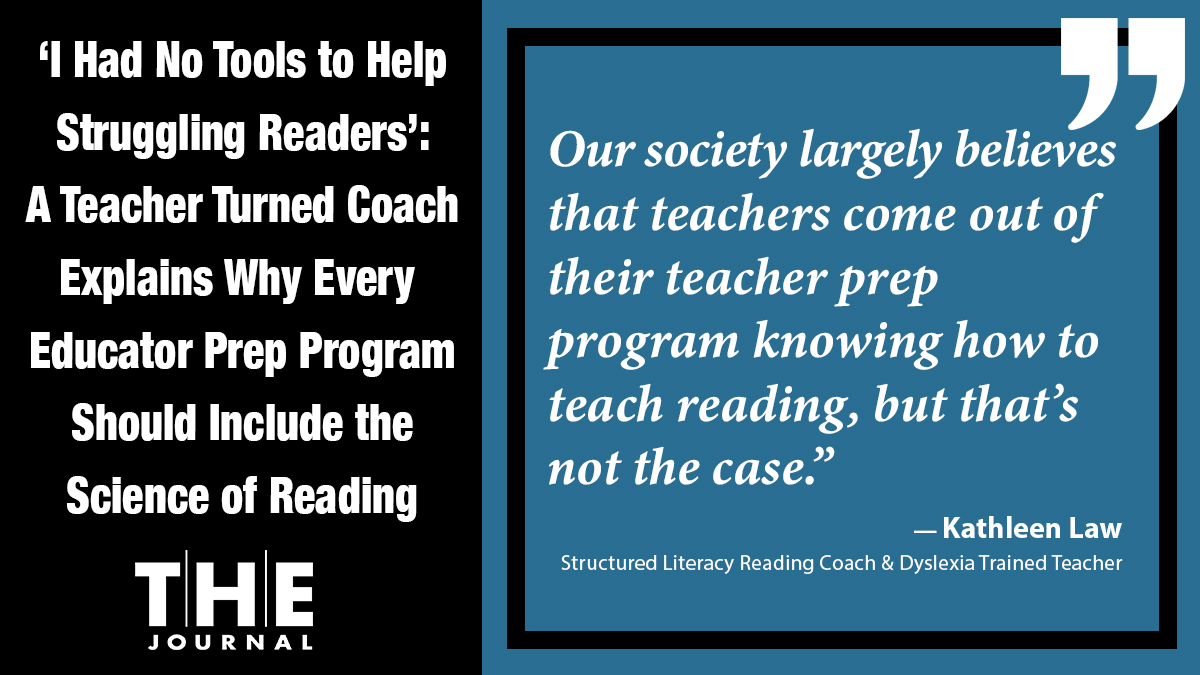
With nearly half of the nation’s new teachers still graduating without an understanding of high-quality reading instruction, former classroom teacher-turned-literacy coach Kathleen Law discusses why — now more than ever — every teacher prep program in the country should include the Science of Reading and give future teachers the foundational tools they need to help struggling readers.
The pace of K-12 school districts' spending of ESSER Funds has picked up significantly this school year, and education leaders and researchers have shared tips and guides to help district leaders efficiently evaluate — or re-evaluate — their options when making procurement decisions, to ensure students benefit and stakeholders don't come to see spending decisions as failures.