STEM/STEAM: Science, Technology, Engineering, Math and the Arts
Here you'll find articles and resources for STEM+Arts education, also known as STEAM. Topics include science, technology, engineering, math and arts education and range from research reports to feature articles to profiles of makerspaces to news about new STEAM and STEAM initiatives in schools.
Ozobot, maker of programmable robotics and STEAM-based learning solutions for K–12, has integrated its Ozobot Classroom with Instructure’s Canvas learning management system — enabling quicker and seamless access for educators using Canvas quicker access to Ozobot Classroom content that is ready to use, the company said.
Students need to learn not only math shortcuts, processes, and formulas — they also must learn the underlying concepts behind them. Students need a deeper conceptual understanding of math so they can transfer their knowledge to new contexts and are less prone to making mistakes. They also need more time for learning math in school and more focus on long-term retention.
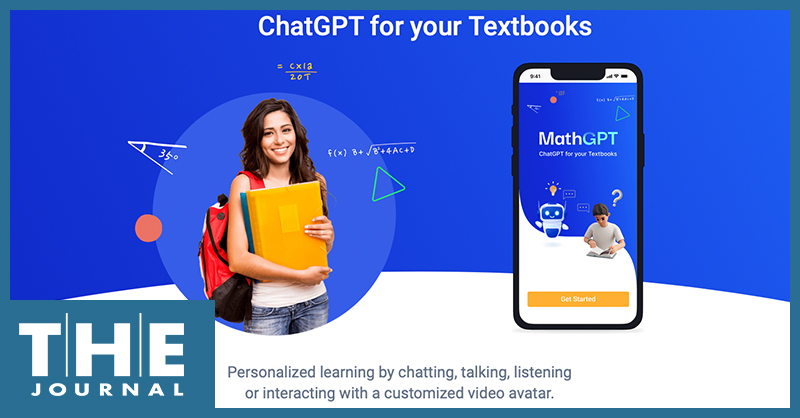
PhotoStudy, an on-demand 1:1 tutoring solution developed by Hung Tran in 2015, said it can now transform any math textbook by any publisher into a “MathGPT” chatbot that works similarly to the groundbreaking ChatGPT tool making headlines in recent weeks.
3M and Discovery Education have announced open applications for the annual 3M Young Scientist Challenge and a new Alumni Network and Alumni Grants Program.
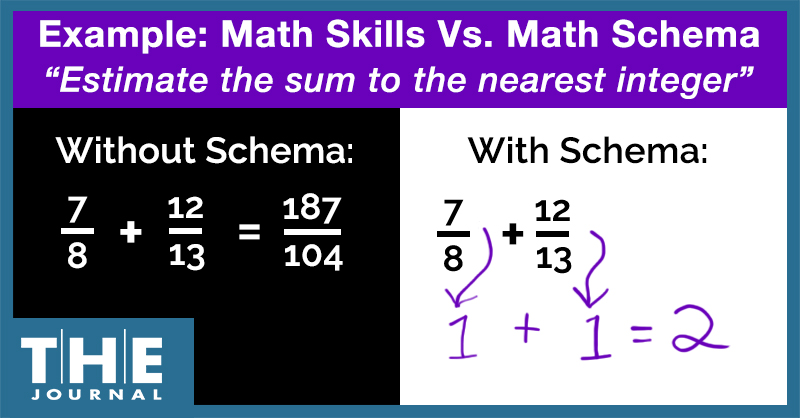
With so-called learning loss from the pandemic continuing to harm students, schools can't just return to normal methods of teaching math. Fortunately, researchers have a strong understanding of how people learn math, just as they did with the now widely accepted science of reading. However, that understanding is taking too long to filter into classroom instruction.
A study published in January 2023 by the University of Southern California (USC) in the journal “Frontiers in Psychology” on the impact of music education showed that middle school students gained not only cognitive benefits, but a greater sense of wellbeing in the five key areas of Positive Youth Development (PYD). The study’s findings come at a time when California voters have recently approved Proposition 28, to increase funding for arts and music education in the state’s public schools.
College and career readiness company YouScience has released its “Post Graduation Readiness Report Part II,” which reveals that while 44% of female high school students showed aptitude for careers in architecture and engineering, they showed 0% interest in them when interest-based, instead of aptitude-based, tools were used to gauge student talents, abilities, and pathways.
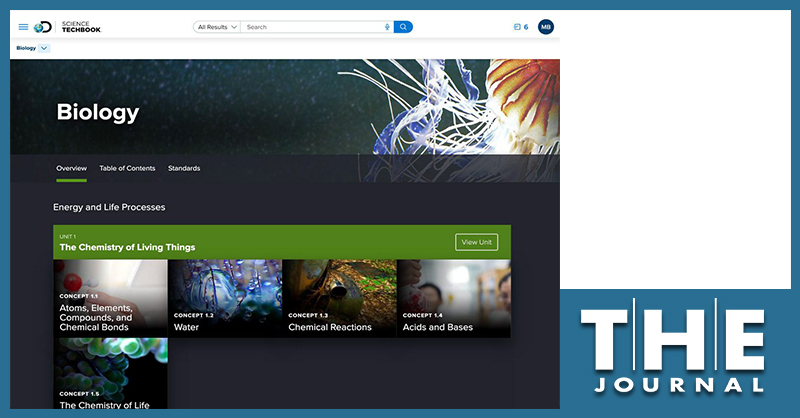
The Discovery Education Science Techbook’s high school biology course, designed to align with state standards, “offers a unique and engaging three-dimensional learning experience that aligns with S.C. College & Career-Ready Science Standards” through both print and digital editions, providing classroom flexibility for educators seeking to grow student engagement.
The KidWind Project will partner with Flinn Scientific for the third year in a row to offer K–12 students a chance to compete in the 2023 Simulation Challenge. Contestants will use Flinn Scientific’s WhiteBox Learning STEM to virtually construct and test wind turbines and wind farms. Registration and the competition are open now through March 1, with challenge completion due April 1.
During the final weeks of 2022, THE Journal asked scores of ed tech leaders about their wishes and worries for 2023. Cybersecurity and teacher resources were the most common topics addressed in the responses — many of which include specific ideas for new policies and practices for K–12 education in the United States.