A teacher in Iowa describes how he and other educators not trained in computer science have leveled up and completed training so they can teach the computer science courses being added to high schools across Iowa to meet a new state requirement that takes effect this fall.
A STEM coach shares how her district is engaging teachers and young students by making math relevant and fun using project-based learning in the classroom.
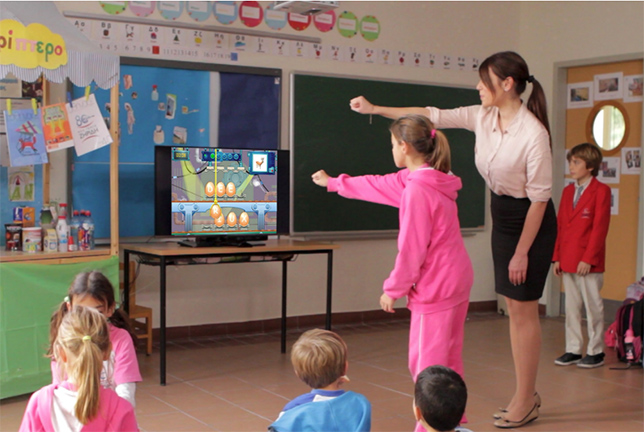
With so many programs, devices, and technologies to choose from, educators and K-12 decision-makers should prioritize these two things when making ed tech decisions: Interaction to increase motivation and engagement among students, and data analytics to make teachers' lives easier and make public schools more efficient.

Wisconsin high school senior Naleah Boys explains how fully virtual public school has helped her inch closer to her dreams of building rockets for NASA.
When Indiana began requiring all public K-12 schools to teach computer science curriculum, a smaller district created a program that meets the mandate and gets teachers and students excited with the equipment and staff they already had, adding instructional guides and educator support from Codelicious.
In the wake of the pandemic, with more than half of teachers considering leaving the profession sooner than later, a school administrator from Tennessee shares key steps help reduce teacher turnover.
A Michigan school district is being held legally accountable for the tragic shooting that took place at its Oxford High School last year, marking an undeniable shift in liability when it comes to school shootings — signaling a shift that school districts can be held responsible for acts of violence on campuses, regardless of whether they had the right technology and protocols in place to help staff identify warning signs and take appropriate preventative action.
Women hold just 28 percent of jobs in STEM fields in the U.S., and the disparity starts long before women get to college. Here are 5 ways that K–12 educators can encourage girls to pursue STEM education and explore STEM career fields before they get to college.
Here are four fun, engaging STEAM projects that help educators and learners make the most of being in the same physical space together — and also reinforce concepts like social-emotional learning, literacy, and the engineering design process.

Almost 17 million students had no access to the internet in their homes at the start of the pandemic, while many more were impeded by unreliable internet connectivity and slow speeds. This divide wasn’t only restricted to rural locations; it was mirrored in towns and cities too.