Illinois Teachers Learn To Use Raspberry Pi in the Classroom
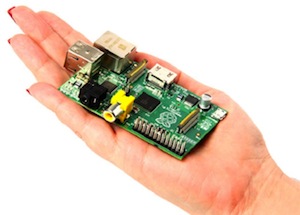 By the end of the summer, hundreds of Illinois
teachers should
be prepared to use the Raspberry
Pi in their classrooms.
By the end of the summer, hundreds of Illinois
teachers should
be prepared to use the Raspberry
Pi in their classrooms.
A new program sponsored by the Illinois
IT Learning Exchange
has already led a workshop for 80 teachers from 39 schools this spring to introduce them to the inexpensive, credit card-sized
computer
created by a United Kingdom-based nonprofit to help students understand
and use
computer science.
The Illinois IT Learning Exchange is offering the
workshops in
conjunction with the Creating
IT Futures Foundation, the philanthropic arm of
CompTIA.
The Raspberry Pi, which costs less than $50, can plug
into a
computer monitor or TV and uses a standard keyboard and mouse. With it,
users
can do everything they could with a desktop computer, including browsing
the
Internet, playing video, word processing, playing games and making
spreadsheets.
The full-day workshops are intended to help high
school teachers
become more familiar with the Raspberry Pi technology in order to use it
in
their own classrooms. During the free workshops — for which teachers can
earn
continuing education credits — they can learn how to create a Web server
or site, use peripheral devices like cameras and sensors, develop a
python
coding program and brainstorm classroom activities. They also receive a
free
Raspberry Pi starter kit.
Besides the workshops already conducted, two more are
scheduled for June in Bloomington and Galesburg, IL, for teachers in the
southern and western parts of the state.
"We want teachers to feel comfortable with the
Raspberry Pi so
they will use the devices in their classrooms," said Joan Matz, senior
grants
manager for the Creating IT Futures Foundation, "thereby increasing
students'
interest in the technology and creative problem-solving."
The Illinois IT Learning Exchange is also planning a
challenge
this fall for high school students in the Chicago area to develop
application
ideas using the Raspberry Pi. As an example, during the White House
annual
science fair this past spring, a student turned an old piano into a
jukebox
using a Raspberry Pi.
About the Author
Michael Hart is a Los Angeles-based freelance writer and the former executive editor of THE Journal.