Gaming Startup Deploys STEM Initiatives in 223 Schools
Source: GameSalad.

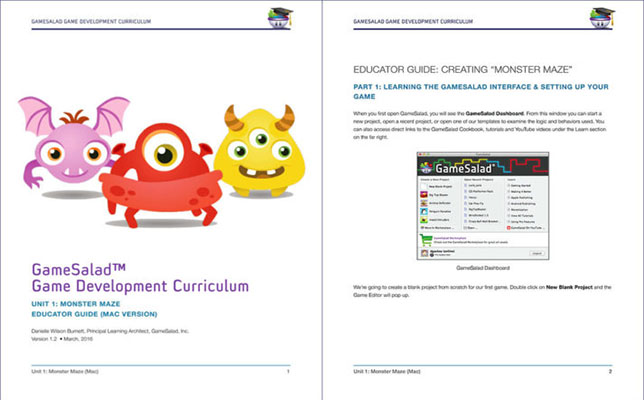
A game and development startup in Texas is utilizing project-based learning (PBL) to teach students programming skills. GameSalad has expanded its STEM-based education initiatives to include 223 schools and approximately 6,700 students.

The startup’s Game Development Curriculum utilizes PBL curriculum to teach core programming concepts through game development. The curriculum introduces programming rules through a visually rich, drag-and-drop interface that fosters creativity, problem solving skills and confidence in STEM concepts. “With a particular focus on empowering diversity and nurturing confidence through project-based learning, GameSalad is preparing students for a savvy future in technology,” according to a prepared statement from the company.

“92 percent of American students play games, yet our nation is behind in training our students to learn computer science,” said Brent Dusing, CEO of GameSalad, in a prepared statement. “At GameSalad, we turn gamers into students. We see students go from little interest in computer programming before they start our program to expressing interest in careers in computer science once they complete the GameSalad course."

To learn more, visit the GameSalad site.

About the Author

Sri Ravipati is Web producer for THE Journal and Campus Technology. She can be reached at [email protected].

Featured

  • interconnected blue glass cubes

    Anthropic Expands Enterprise Deployment Options for Claude Desktop

    Anthropic is introducing new enterprise deployment options for Claude Desktop, saying organizations that use the app through Amazon Web Services, Google Cloud, and Microsoft Foundry can now access the full desktop experience across chat, Claude Cowork, and Claude Code.

  • child stands with a laptop, in front of various drawings related to math and science

    Why Screen Time Limits Are Not the Answer

    At a fundamental level, screen time policies and laws aim to address academic achievement by balancing digital instruction with traditional teaching methods. But they do not tackle how devices are used.

  • Man offers stem word sign on virtual screen

    Immersive Workforce Development Initiative Connects Students with Real-World STEM Careers

    The Center of Science and Industry, a science museum and research center in Central Ohio, has launched The HIVE, a workforce development initiative designed to help students across the country explore real-world career pathways in aerospace, advanced manufacturing, engineering, and emerging technologies.

  • group of smiling teachers

    NAAIC Expands AI Workforce Development Efforts to High Schools

    The National Applied AI Consortium, a National Science Foundation-funded initiative led by Miami Dade College, Houston City College, and Maricopa Community Colleges focused on artificial intelligence education and workforce development, is expanding its mission into high schools.