Google Updates Education Apps for Back to School
New features for Google Classroom and Google Expeditions aim to help teachers inspire learning for students, inside and outside of the classroom.
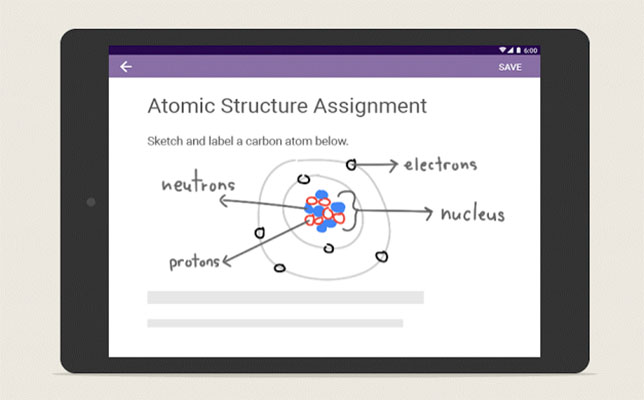
Source: Google for Education Blog.
With summer vacation coming to an end and schools starting classes, Google for Education has launched several updates to Google Classroom and Google Expeditions.
In a blog post yesterday, the company announced a new feature on Classroom that automatically shares summaries of student work with parents. Verified teachers can invite parents or guardians to receive daily or weekly email summaries of upcoming assignments and classroom announcements, keeping parents and guardians informed on what’s happening in the classroom.
Another feature allows teachers and students to annotate documents in the Classroom mobile app. Teachers can “quickly grade assignments by writing directly on the student’s work, or highlighting the most important passages in a text or novel,” according to the blog post. Students can use annotations to “complete assignments, sketch out math problems or even create visuals of creative ideas directly on their devices,” offering students flexibility to complete assignments from home, school or on the bus.
Additional updates to Classroom include:
- A way for teachers to organize their class stream by adding topics to posts, so that teachers and students can quickly find topics;
- The option to preview PDFs, documents, images and videos within Classroom;
- The ability to share audio and video wirelessly through the Cast for Education app, now free for all teachers and students;
- The option to add images to questions and multiple choice answers on Google Forms; and
- New notifications from Classroom that will be “intelligently grouped” on Inbox by Gmail, ensuring updates and highlights from Classroom can be found in one spot.
Google Expeditions boasts of new features as well, including more virtual reality field trips for students. New Expeditions include a trek through the Himalayas in Bhutan, an exploration of the human vascular systems, and a submarine view of the ocean floor.
Additionally, the Expeditions app moving beyond Android and will be coming soon to iOS. The move will allow teachers who use iPads to share Expeditions with their students using full-screen mode on devices, rather than using a VR headset.
Further information is available on the Google for Education blog.
About the Author
Sri Ravipati is Web producer for THE Journal and Campus Technology. She can be reached at [email protected].