MusicFirst LMS for Music Educators Adds Collaborative Audio, Podcast Recording Tools to Suite

Image Credit: MusicFirst.

MusicFirst, a learning management system (LMS) for K–12 music education, and Soundtrap, an online music studio that allows users to record songs and podcasts, have teamed up to offer a cross-platform music creation within its portfolio, the MusicFirst Online Classroom.

Soundtrap’s cloud-based software tools are accessible on iOS, Android, Chromebook, Linux, Mac and Windows platforms. The software is “ideally suited for project-based learning and creative collaborative assignments,” according to a news release. It stores all project works in the cloud so that users can access them anytime, anywhere.
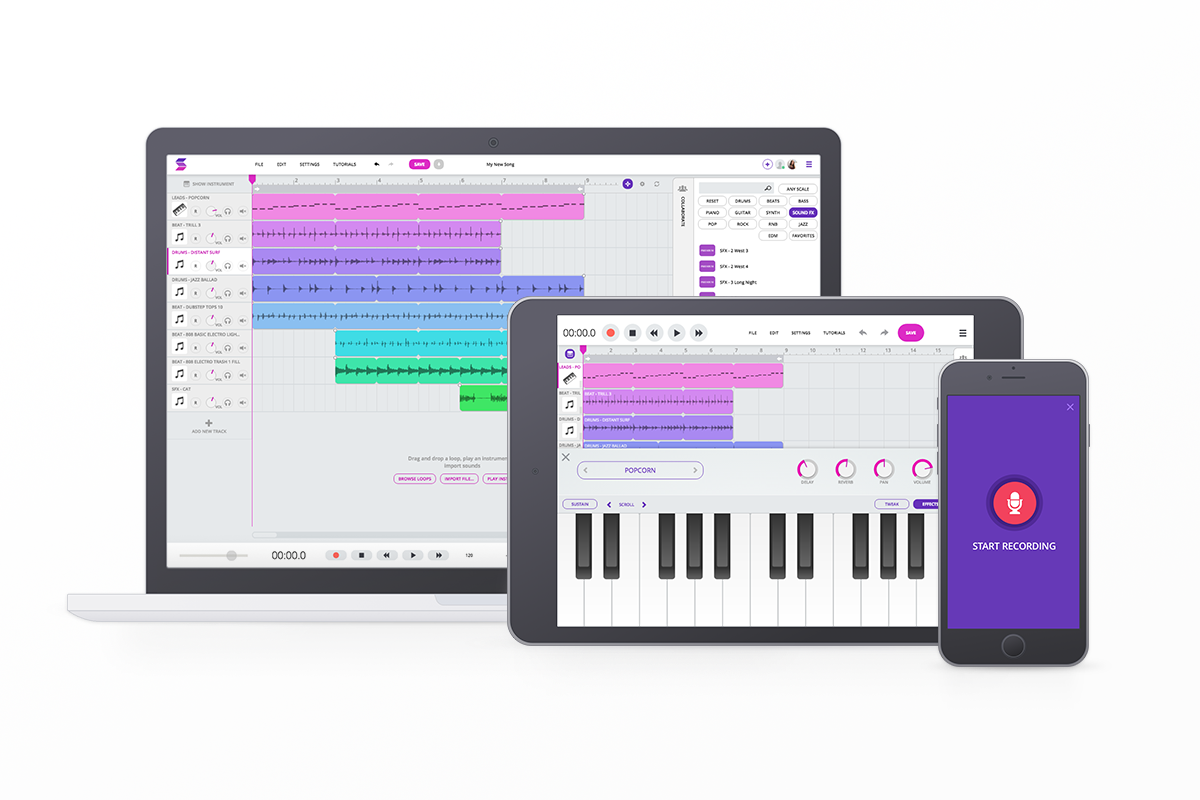
Image Credit: Soundtrap.

MusicFirst users can now subscribe to use the Soundtrap solution for $4 per users. To learn more, an online classroom demo can be requested on the MusicFirst site. Further information is available in the video below.

Featured

  • broken digital lock and glowing chain

    Check Point Researchers: AI Has Crossed into the Live Attack Chain

    AI is moving beyond assisting cybercriminals and beginning to operate within live attacks, according to a recent report from Check Point Research. The technology is making sophisticated capabilities faster and more accessible while creating new security risks for businesses deploying their own AI systems.

  • digital graph

    Building Genuinely Data-Informed School Districts

    Schools today generate enormous amounts of data. The difference between collecting it and using it effectively often comes down to quality, access, and context.

  • cloud computing circuit board background

    Cloud Crime on the Rise as Attackers Exploit Trust

    CrowdStrike's latest Threat Hunting Report traces a multiyear shift from conventional intrusions toward attacks that exploit trusted identities, cloud services, AI systems, and software dependencies.

  • abstract glowing cube outlines

    Microsoft Positions Windows as a Platform for AI Agents

    The recent Microsoft Build 2026 developer conference highlighted a significant shift in the company's Windows strategy. Rather than presenting artificial intelligence as a collection of standalone features, Microsoft is increasingly positioning Windows as an operating environment for AI agents.