Students Use STEAM to Tackle UN Sustainability Goals
- By Dian Schaffhauser
- 02/15/18
Source: Samsung
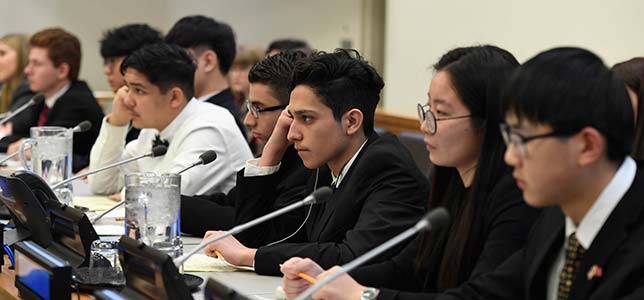
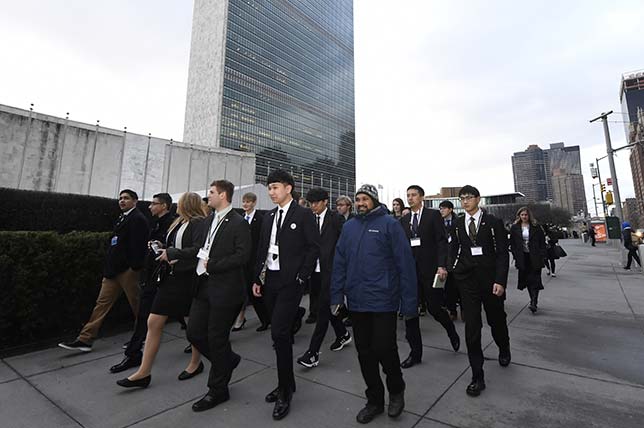
A new initiative brought together high schoolers from five countries to the United Nations to find solutions for sustainable development issues using their STEAM skills. As part of the "Global Classroom STEAM Challenge," a program sponsored by electronics maker Samsung, student teams worked virtually with international counterparts over the past 10 weeks to come up with solutions for problems with energy, climate change, poverty and hunger. These make up some of the 17 goals addressed UN's "sustainable development goals" program, all of which have specific targets to be achieved by 2030.
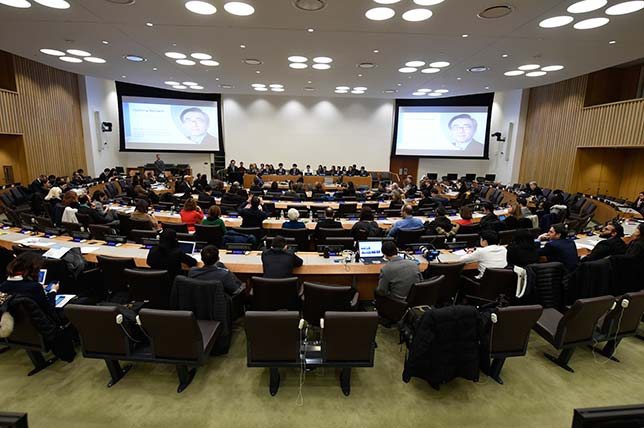
As the culminating event, the students presented their proposed solutions to a panel of adults that included government leaders, non-governmental organizations (NGO), educators and corporate representatives.
Each U.S. school was paired with a school in another country and collaborated on a virtual collaboration platform provided by IVECA, a non-profit organization that promotes "intercultural competence."
School teams included:
Source: Samsung
"Samsung has given our students the opportunity to not only interact with like-minded peers across the globe, but to cross cultural barriers and gain invaluable experience presenting their ideas at the United Nations," said BeLinda Cross, a teacher at Lawrence County, in a press release. "They're learning that their voices matter and they truly can make a difference."
Participants received certificates from IVECA and Global Classroom STEAM Challenge awards from Samsung.
About the Author
Dian Schaffhauser is a former senior contributing editor for 1105 Media's education publications THE Journal, Campus Technology and Spaces4Learning.