New VR System Previewed for Ed
New VR System Previewed for Ed 

A holding company with a focus on virtual reality and augmented reality is promoting a new VR solution for virtual classrooms. The Glimpse Group has filed for a patent on its technology and is now working to secure partnerships with colleges and universities that want to try out the system.

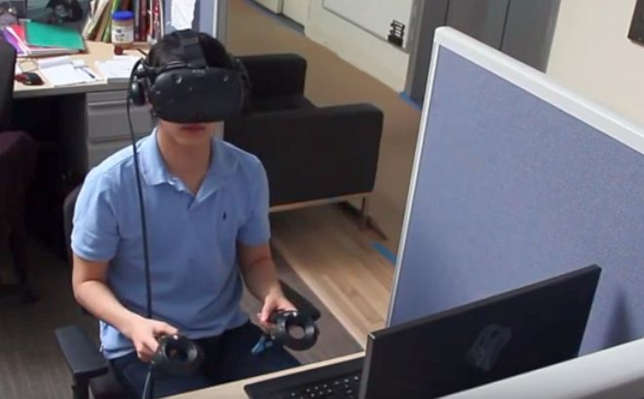
"Project Chimera," as it's called, allows remote students to sit in on classes in real time, watching live streams of lectures and interacting with each other, as well as the teacher and the on-site students. A video made at Fordham University shows a student donning a VR headset and joining a class, interacting with other virtual students and getting the attention of the teacher to ask questions.

The Glimpse Group serves as a holding company for a diverse group of VR and AR start-ups, including services for virtualizing brands for marketing, allowing financial services users to interact with their data and helping customers use AR to order food from a menu.

Featured

  • digital graph

    Building Genuinely Data-Informed School Districts

    Schools today generate enormous amounts of data. The difference between collecting it and using it effectively often comes down to quality, access, and context.

  • Neon blue security locks with a single red highlight

    With AI, Cybersecurity Focus Shifts from Finding Flaws to Fixing Them

    For decades, one of cybersecurity's biggest challenges has been finding vulnerabilities before attackers do. A growing number of security professionals now say artificial intelligence is changing that equation, shifting the focus from discovering flaws to fixing them quickly enough to prevent exploitation.

  • Top View Shot in Elementary School Computer Science Classroom

    Education's Top 5 Technology Priorities and the Challenges Standing in the Way

    Cybersecurity ranks as the No. 1 priority for education technology leaders in the United States, according to the latest State of Ed Tech report from CoSN, yet insufficient cybersecurity staffing and the lack of a dedicated budget are key barriers.

  • Engineering team implements digital guardrails on AI

    3 Starting Points for Integrating AI Guardrails in K-12 Districts

    As education leaders start to craft an AI policy that is both practical and flexible enough to evolve with this fast-changing technology, there is at least one principle that should be foundational: AI should serve to augment human critical thinking and creativity but never replace human interaction and decision-making.