Microsoft Intros Windows 11 SE for K–8
- By Dian Schaffhauser
- 11/17/21
The
ubiquitous Chromebook faces a formidable new contender in education.
Microsoft has announced a new cloud-first edition of Windows
11, designed specifically to run on low-cost devices
for use in K-8. Windows
11 SE is an operating system that's intended to
provide a distraction-free environment for students and simpler
administration of devices for IT.
The
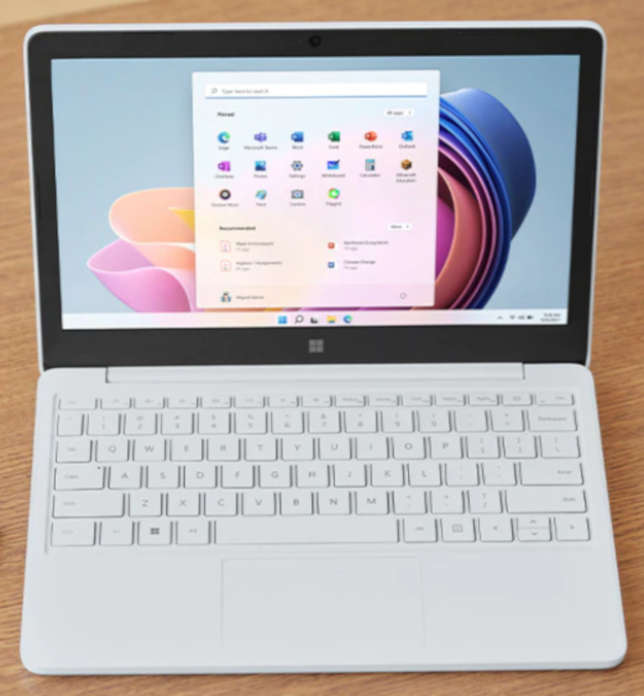
OS will run on a family of new student devices, including the Surface
Laptop SE, and computers coming from Acer, ASUS, Dell,
Dynabook, Fujitsu, HP, JP-IK, Lenovo and Positivo. The company said
that most of the devices were expected to be available for ordering
later this year and into 2022. All will use Intel or AMD chips. The
company warned in an FAQ
that Windows 11 SE devices probably wouldn't be sold in retail
outlets.
Windows
11 SE has been optimized for Microsoft 365 applications, supporting
both online and offline capabilities. OneDrive, part of the Office
apps in Microsoft 365, stores files locally on each device for
students to access when they are offline. Once they're back online,
the OS will sync the offline changes automatically.
The
new education OS also supports web-based learning apps through the
Microsoft Edge browser and supports third-party apps including Zoom
and the Chrome browser.
Built
into the OS are accessibility tools for vision, hearing and speech.
One such tool is Immersive
Reader, available in the browser, making internet
content accessible to more students.
For
IT administrators, Windows
Autopilot facilitates "zero-touch" device
deployment, while Intune for Education enables IT to deploy and
manage Windows 11 SE devices from anywhere. When managed via the
cloud, devices are always up to date. They update silently,
automatically and outside of class time via policies set in Intune
for Education to minimize disruptions. To keep the device locked
down, only IT admins can download and install apps and services.
Microsoft's
new Surface
Laptop SE has a starting price of $250. Features
include:
-
An 11.6-inch
screen;
-
A Front-facing
720p HD camera;
-
Stereo speakers
and microphone; and
-
Up to 16 hours
of battery life with typical usage.
The
company noted that the most components -- display, battery, keyboard
and motherboard -- are designed for straightforward repair or
replacement by school personnel.
Among
the Surface Laptop SE selling points offered by Microsoft are a
typing experience that has tuned the sound of the keys "to limit
distractions while note-taking on video"; and optimized thermals
to keep the device working in different environmental conditions.
"Every
detail was considered for Surface Laptop SE to address the urgent
needs of the classroom, and we believe you'll be pleased with the
value it offers," the company stated in a press release.
About the Author
Dian Schaffhauser is a former senior contributing editor for 1105 Media's education publications THE Journal, Campus Technology and Spaces4Learning.