
It's time for E-rate to cover the cost of home internet access. That's the word from 7,664 teachers, education IT people, principals and superintendents who have signed a letter to the Federal Communications Commission urging the Commission to make E-rate funds available to help schools and districts "equip" students with home internet access.
Kajeet, which produces a device delivering wireless Internet access to students who lack broadband connectivity, has expanded its selling options.
Later this year a free tool will appear to help school IT organizations get internet speed and pricing information on K-12 broadband connectivity across the United States using publicly available data from the federal Schools and Libraries Program (E-rate).
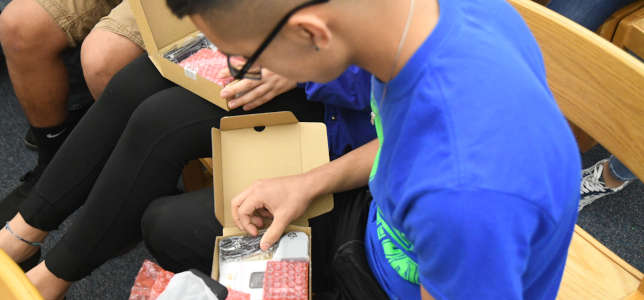
Two districts recently issued devices to students who lacked internet access at home.
A new report from SETDA examines how policy makers and school leaders can work to bridge the digital divide and establish ways to provide schools with the necessary resources to get high-speed internet connections.
CoSN wants the FCC to revamp its funding program for school internet access and network infrastructure projects to address cybersecurity needs.
The FCC has put out a notice of proposed rulemaking to ask for comments on how to reform the E-rate program.
Wednesday’s FCC decision to revise Educational Broadband Service rules drew immediate criticism from one major education technology advocacy group.
The FCC is moving forward with a plan to auction off spectrum from the Educational Broadband Service to commercial providers.
The Federal Communications Commission has issued a draft proposal calling for changes in the regulation of the 2.5 GHz spectrum, opening up channels reserved for the Educational Broadband Service for commercial, non-educational purposes.