The U.S. Department of Education has released guidance on how ESSER and GEER relief funding may be spent.
The Federal Communications Commission has finalized rules for a $7.17 billion program that will reimburse schools for 100% of the “reasonable” cost of equipment and services to give students the access to technology they need for remote and hybrid learning.
The United States Department of Agriculture is awarding grants ranging from $50,000 to $1 million to organizations supporting distance learning and telemedicine in rural communities. The deadline for this competitive grant program is June 4.
The current FCC definition of home broadband — 25 Mbps download and 3 Mbps upload speeds — is inadequate for at-home learning, according to researchers who conducted a first-of-its-kind study of district data for students engaged in remote learning.
The U.S. Department of Education has issued a request for information on how schools, colleges and universities, and early education providers are reopening, operating safely and supporting students during the COVID-19 pandemic.
While many high schoolers have myriad routes to graduation, those pathways are not all equal, and some may steer students into unexpected outcomes that limit their options early in life.
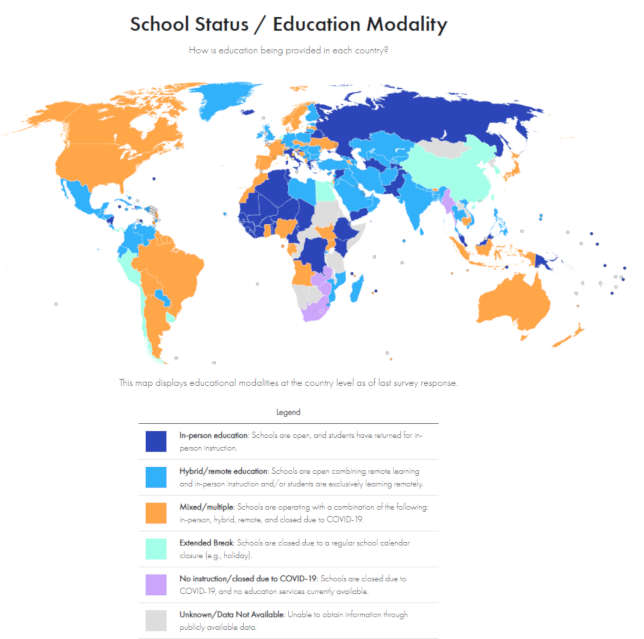
The purpose of the tool is to help 200 countries and territories make decisions about school reopening and recovery planning.
Parents overwhelmingly opposed going ahead with standardized testing this spring, according to a survey done by a parent advocates group.
In terms of overall spend, the United States tops every other country in education, investing $1.3 trillion across all levels. That's more than seven times the next top contender, Germany, which spends $189.4 billion on education. However, we're only number 8 in terms of education spending as a percentage of the gross domestic product.
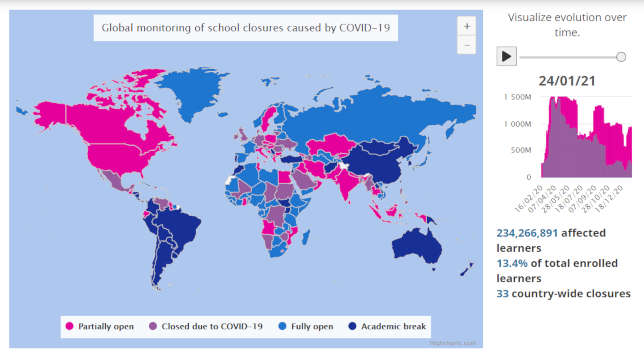
UNESCO, the United Nations agency responsible for education, and Education International, the global federation of education unions, has made a plea for schools worldwide to reopen "safely" and to keep them open "as long as possible."