New Swivl Function Lets Remote Students Control Robotic Telepresence
A new element to a live conferencing program will
allow
students in remote locations to participate in classroom activities,
thanks to
their ability to independently operate new remote control robotic functions.
Swivl has launched Swivl
Cloud Live, which is designed to
allow teachers to connect with chronically homebound students, planned
absentees, distance learners and guest speakers or instructors. It is
the
second announcement of an enhancement by Swivl in the last
week and the third
in the last six months.
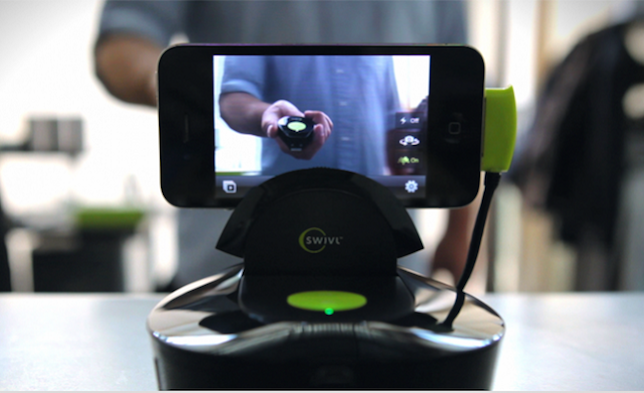
Last October, Swivl Robot moved from beta mode to
full
distribution. Compatible with both iOS and Android devices, it could
tilt and
rotate to follow a teacher as he or she moved around the classroom as
well as
record wireless video and audio before automatically uploading the
recordings
to its network.
Then a week ago, the company updated all of its
cloud-based
subscription plans to do away with storage limits. All account holders
can now
upload and permanently host an unlimited amount of content on Swivl
Cloud. At
the same time, educators can embed video from external sites (like
learning management
systems) and directly upload PowerPoint slides.
This week's announcement means that remote students
can
participate in the classroom by actively engaging in dialogue and group
activities.
While Swivl Cloud Live is currently available through
closed
beta, it is expected to be available in full distribution this summer,
in time
for teachers to prepare for its use during the next school year.
"We always had the intent to develop the
application," said
Swivl Co-Founder Brian Lamb, "but we wanted to do it right and ensure we
took
full advantage of all of Swivl's Robot and Cloud capabilities."
About the Author
Michael Hart is a Los Angeles-based freelance writer and the former executive editor of THE Journal.