
During the pandemic, the education community scrambled to provide students with laptops to promote online learning equity and mitigate learning loss. Today, those devices are approaching the end of their useful lives — and a "great Chromebook refresh" has been predicted as schools seek to replace them with newer models.

Technology can streamline monitoring, inform outcomes, and ultimately help states and districts better serve students with disabilities.
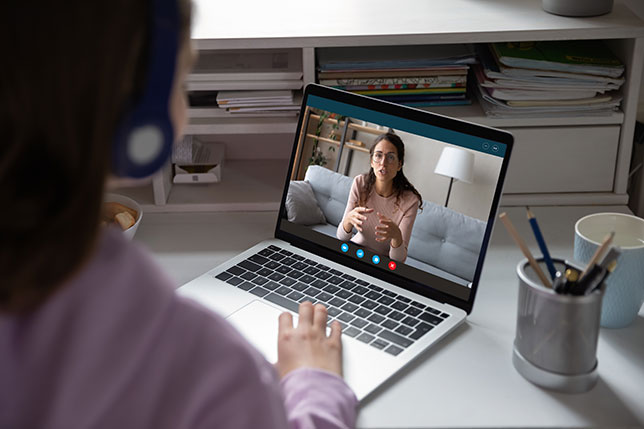
The billions of dollars spent on solutions new and old to address COVID-related learning loss have not yet had the impact they were meant to have. This is why high-impact tutoring deserves our continued attention.
Here are three ways to explore the ways AI can make a positive impact on education and ensure that all students have equal opportunities to succeed.
High school robotics teacher Anthony Young shares his experiences with providing students pathways to certifications, helping them land high-paying jobs straight out of school.

Positive, proactive communication with families can help educators address the root causes of chronic absenteeism.

The release of generative AI tools like ChatGPT and Bard has shined a light on the impacts of technology in education and in society. Technology is a fundamental part of our lives and continues to evolve at lightning speed.
While many districts continue to move to cloud environments due to their collaboration capabilities, scalability, and improved security, sometimes legacy systems can make sense too.
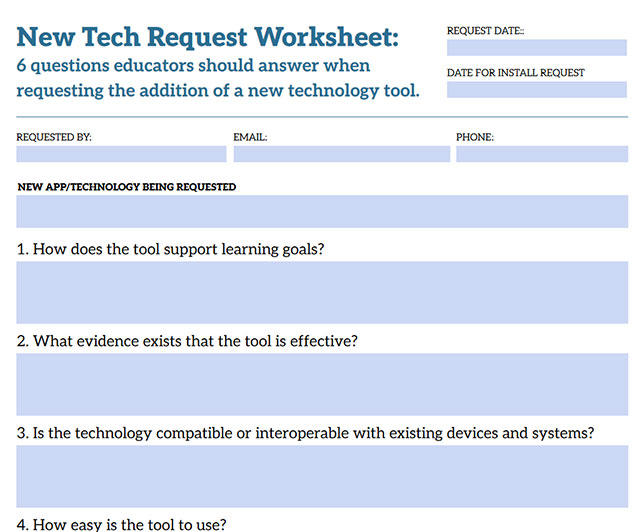
When IT teams are evaluating technologies for the classroom, the teacher's perspective shouldn’t be discounted. Teachers have a unique — and likely the best-informed — view of which tools will engage students and which will be distracting.
Our inaugural event for IT leaders in K–12 kicks off in November in Orlando, and we have an incredible lineup of information-packed sessions, workshops, and keynotes from CIOs and CISOs representing districts from across the country.