$5,500 Grant Program to Recognize Teachers for Innovation in Data Collection in Science

The 2019 Vernier/NSTA Technology Awards program is now open, offering up to $5,500 for "the innovative use of data-collection technology using a computer, tablet, graphing calculator, or other handheld in the science classroom."

This year's program will award up to $5,500 in cash, products and travel to seven educators, including one at the elementary level, two at the middle school level, three at the high school level and one at the post-secondary level. One grant will be awarded at each level per school.
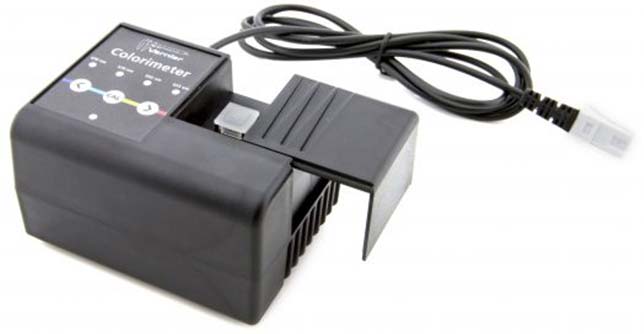
Vernier NSTA 2018 2019 awards 

The prizes include $1,000 in cash, $3,000 in Vernier products and "up to $1,500 toward expenses to attend the annual NSTA National Conference in St. Louis, MO on April 1114, 2019."

Science teachers in the United States are eligible to apply, including those who have won past awards. The deadline for entries is Dec. 17. Further details can be found at vernier.com/grants/nsta.

About the Author

David Nagel is the former editorial director of 1105 Media's Education Group and editor-in-chief of THE Journal, STEAM Universe, and Spaces4Learning. A 30-year publishing veteran, Nagel has led or contributed to dozens of technology, art, marketing, media, and business publications.

He can be reached at [email protected]. You can also connect with him on LinkedIn at https://www.linkedin.com/in/davidrnagel/ .


Featured

  • circuit patterns

    Anthropic Intros Lower-Cost Claude Sonnet 5

    Anthropic has launched Claude Sonnet 5, positioning the model as its most autonomous mid-tier offering to date and a lower-cost alternative to its flagship Opus 4.8 system. The company said the model can plan multi-step tasks, operate tools such as browsers and terminals, and complete agentic work at a level that previously required larger and more expensive models.

  • elementary schoolchildren using digital tablet in classroom

    CoSN: 3 Principles that Should Guide Screen Time Policies in Schools

    CoSN, the professional association for K-12 education technology leaders, has released new guidance to help schools navigate the screen time debate and develop technology policies that protect students while supporting learning.

  • abstract glowing cube outlines

    Microsoft Positions Windows as a Platform for AI Agents

    The recent Microsoft Build 2026 developer conference highlighted a significant shift in the company's Windows strategy. Rather than presenting artificial intelligence as a collection of standalone features, Microsoft is increasingly positioning Windows as an operating environment for AI agents.

  • business woman and stress with burnout, busy and multitasking

    K–12 Technology Leaders Are Doing Too Much: 3 Ways to Reclaim Strategic Focus

    Technology directors touch nearly everything that happens in a school system. Here are three strategies these IT leaders can use to navigate their many duties without losing strategic focus, influence, or sustainability.