DQC Pushes for States to Add Post-High School Data on Ed Report Cards
- By Dian Schaffhauser
- 06/05/17
Out of 101,878 high school graduates in the 2015-2016 school year in Michigan, 61.5 percent headed off to college. The best school district for that year turned out to be Washtenaw ISD, where 74.2 percent of students enrolled in post-secondary education. In Kentucky, the details were even more specific. Out of 24,509 graduates, 56.3 percent went off to college, another 5.9 percent were working and attending college part-time; 4.8 percent were pursuing vocational or technical training; 3.3 percent joined the military; 22.7 percent were working; and 7 percent were still struggling to figure out what should come next.
Both states were recognized by the Data Quality Campaign (DQC) as the two exemplars for how states should handle reporting on education data to the public. DQC is a national non-profit that focuses on the effective use of education data by schools, districts and states.
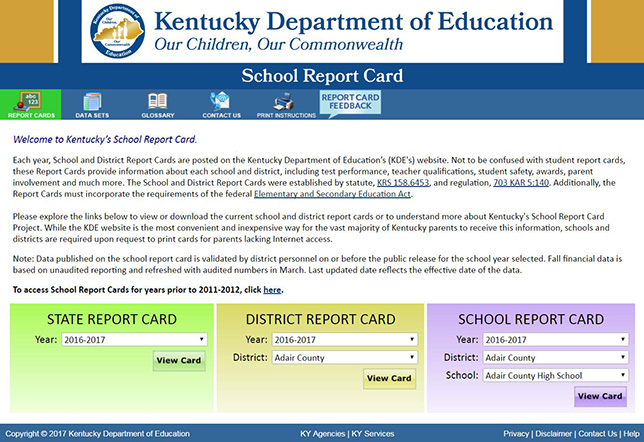
A new two-page report from the organization examined state report cards, which are a requirement of the federal Every Student Succeeds Act (ESSA) and have been since 2002. The idea is to provide a resource that gives members of the public access to education outcomes for the sake of "accountability."
The DQC has found that "nearly every state" has made its report cards available on their education department websites; but far fewer — only 16 — include postsecondary enrollment data in the same place. Most states post that information elsewhere online.
As the brief pointed out, "When this information is scattered across websites, it is more difficult to find and harder for people to understand whether students are successfully transitioning to college once they leave high school." DQC's advice: "States must change this situation."
The report also offered guidance to states on how to make the post-high school enrollment data "more meaningful" to families and others:
- Place the postsecondary enrollment data next to the high school data to show how the high schools do in preparing students "for their next steps."
- Show the options available for postsecondary education. Break down the enrollment data by four-year and two-year programs, type of institution and even by credential or certificate.
- Share data on the number of students who head into the military or enter the workforce immediately.
- Include data not required by ESSA, such as the number of students retained in college for a second year or a count of those who need to take remedial courses during their first year.
"One of the greatest measures of school success is how well students are prepared for success after high school graduation. Everyone who has a stake in education — from communities to educators to parents — needs to have this data presented within easy-to-find and detailed report cards," said DQC CEO and President Aimee Rogstad Guidera in a prepared statement. "This information helps communities support continuous improvement, educators identify needs and successes and parents make important decisions like choosing a school."
The report, "States Can and Must Include Postsecondary Enrollment Data on Report Cards," is openly available on the DQC website here.
About the Author
Dian Schaffhauser is a former senior contributing editor for 1105 Media's education publications THE Journal, Campus Technology and Spaces4Learning.