DreamBox Learning Launches Reading Park for PreK–2 Students
- By Kate Lucariello
- 02/22/23
Adaptive
learning math and reading ed tech provider DreamBox
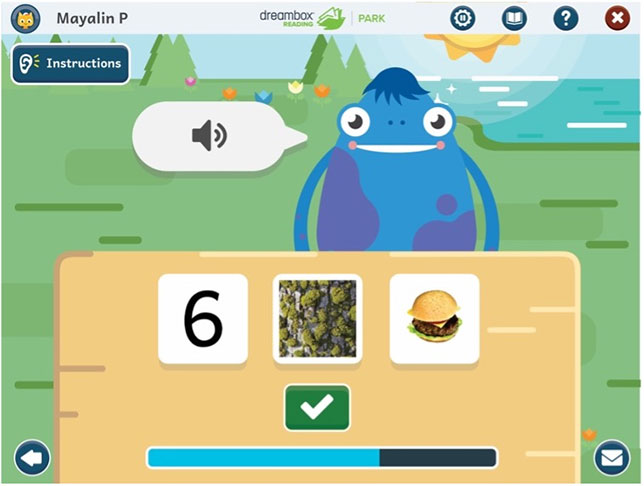
Learning has expanded its reading portfolio to PreK–2
students nationwide for the first time with the launch of Reading
Park. The program, designed to be playful and engaging, adapts in
real time to a student’s level of reading mastery with a
personalized learning path based on national and state English
Language Arts standards.
The
program uses an evidence-based structured literacy approach,
delivered by DreamBox Learning’s Intelligent Adaptive Learning
platform. Numerous teacher-generated foundational reading lessons are
available.
“With
Reading Park, we are opening access to an engaging, personalized
learning experience that meets the earliest of readers exactly where
they are and encourages a joy for reading that will not only set
students up for success throughout their educational careers, but
also in life,” said Jessie Woolley-Wilson, CEO and President of
DreamBox Learning.
Key
features of the adaptive program include:
-
Assessment of how and why students answer questions, with lessons
geared to at-the-moment learning needs;
-
Lessons designed to meet research-based foundational literacy
skills, such as phonemic awareness, phonics, decoding, spelling, and
fluency, at a student’s own pace;
-
Support for training teachers to use phonemic awareness and phonics
in the classroom, regardless of their level of familiarity with
them;
-
Use of awards and exploration to entice students to engage with the
program;
-
Use of the sans-serif Andika font, which closely resembles
handwriting, to help students make the connection between reading
and writing.
Webinars
will be held to familiarize educators with Reading Park (and expanded
offerings in DreamBox math) on Wednesday, March 8, and Thursday,
March 9, 2023, from 2-2:30 p.m. ET. Visit
this page to register.
DreamBox
Learning provides supplemental math and reading solutions for PreK–12
education. It supports 400,000 educators and approximately 6 million
students in all 50 states, the District of Columbia, Puerto Rico, and
throughout the United Kingdom, Australia, Canada, and Mexico. To
learn more about what the company offers, visit its Solutions page.
About the Author
Kate Lucariello is a former newspaper editor, EAST Lab high school teacher and college English teacher.