Lucid's BuildingOS Unites Energy Data
- By Dian Schaffhauser
- 08/26/13
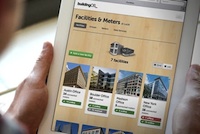
Lucid's BuildingOS |
A company that sells a dashboard for monitoring in-building energy and water usage is launching a new monitoring product this week that pulls together energy usage among multiple structures and systems and displays it through a single console. Lucid is introducing BuildingOS, an "online operating system" for buildings. The new service can pull data from 150 meter types and building systems, including utility meters, building and lighting controls, sub-meters, onsite generation feeds, and plug loads meters.
The real-time output of BuildingOS can feed into data analytics, virtual audits, measurement and verification, bill confirmation, demand side management, and dashboard reporting.
"Proprietary communication and integration hurdles have been the Achilles' heel of the energy management industry for decades," said CEO, Vladi Shunturov. "But BuildingOS changes that. It is the first software to unify building systems and eliminate vendor lock-in. Now building managers can easily have a portfolio-wide solution for tracking energy, water, and building performance information, regardless of which vendors are involved."
Features include:
- E-mail notifications, to inform recipients of unexpected incidents — such as a device going on the blitz;
- Quarantining of questionable readings to protect data integrity;
- Data tools for uploading, editing, scaling, recalculating, deleting, and moving data;
- Tools for self-commissioning data integrations beyond those provided by the company; and
- "Forever" storage; the company reported on its Web site that it would never discard client data.
The program can also track non-automated data streams as well.
On the reporting side, the data can be fed into trends analysis, be used for meter comparisons, populate profiling and heatmap analysis to detect energy "hotspots" in schedules and changes in consumption, detect performance changes, and provide annual reporting. It can also be exported in common data formats.
The company is known for sponsoring education competitions to promote reduction of energy and water usage by schools and to educate students about their individual energy consumption practices. Currently, in partnership with Green Schools Alliance, Lucid is planning to run a new competition in New York City during October. Frequently, the company makes its software available to participating schools to measure their progress.
About the Author
Dian Schaffhauser is a former senior contributing editor for 1105 Media's education publications THE Journal, Campus Technology and Spaces4Learning.