New Partnership Will Deliver STEM Content Via Extracurricular Activities
A
new partnership will deliver robotics and computer science content to
students
via extracurricular activities focused on science, technology,
engineering and
math (STEM). Robomatter,
which supplies research-based STEM content to schools,
will partner with Engineering for Kids, which has a
wide variety of programs
for students ages 4-14 intended to introduce them to science,
math and
engineering concepts.
Engineering
for Kids finds entertaining ways to deliver STEM-related content to
children
via a number of different classes, camps, clubs and parties.
Robomatter, on the
other hand, provides a computer science and robotics curriculum
integrated with
technology intended to teach foundational concepts, processes and
principles,
along with professional development to help teachers with the content.
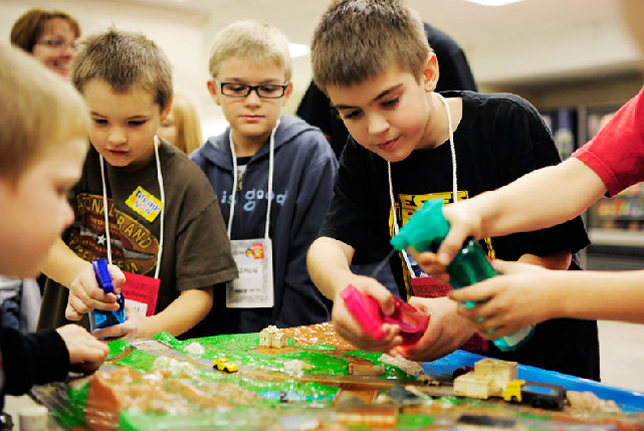
Engineering for Kids, which uses classes, camps, clubs and parties, will now use content provided by Robomatter.
Beginning
this spring, Robomatter will use the
avenues to children provided by Engineering for Kids to provide its
STEM-related content.
"My
dream is that Engineering for Kids reaches
as many communities as possible, inspiring the next generation of young
and
inquiring minds," said Engineering for Kids CEO and Founder Dori
Roberts. "This
is giving our students even more opportunities to explore robotics and
software
engineering in a real-world environment."
"Engineers
are critical to our future, and that is one of the main reasons our
educational
solutions are focused on the technology and engineering aspects of
STEM," said
Robomatter President and CEO Skip Smith. "We're excited to partner with
Engineering for Kids to make quality, research-based STEM education
available
to students throughout the U.S. and North America."
About the Author
Michael Hart is a Los Angeles-based freelance writer and the former executive editor of THE Journal.