Duolingo Brings Tinycards Test Prep App to Android

Tinycards, a study app from the language learning company Duolingo, on Thursday released a free version for Android devices.
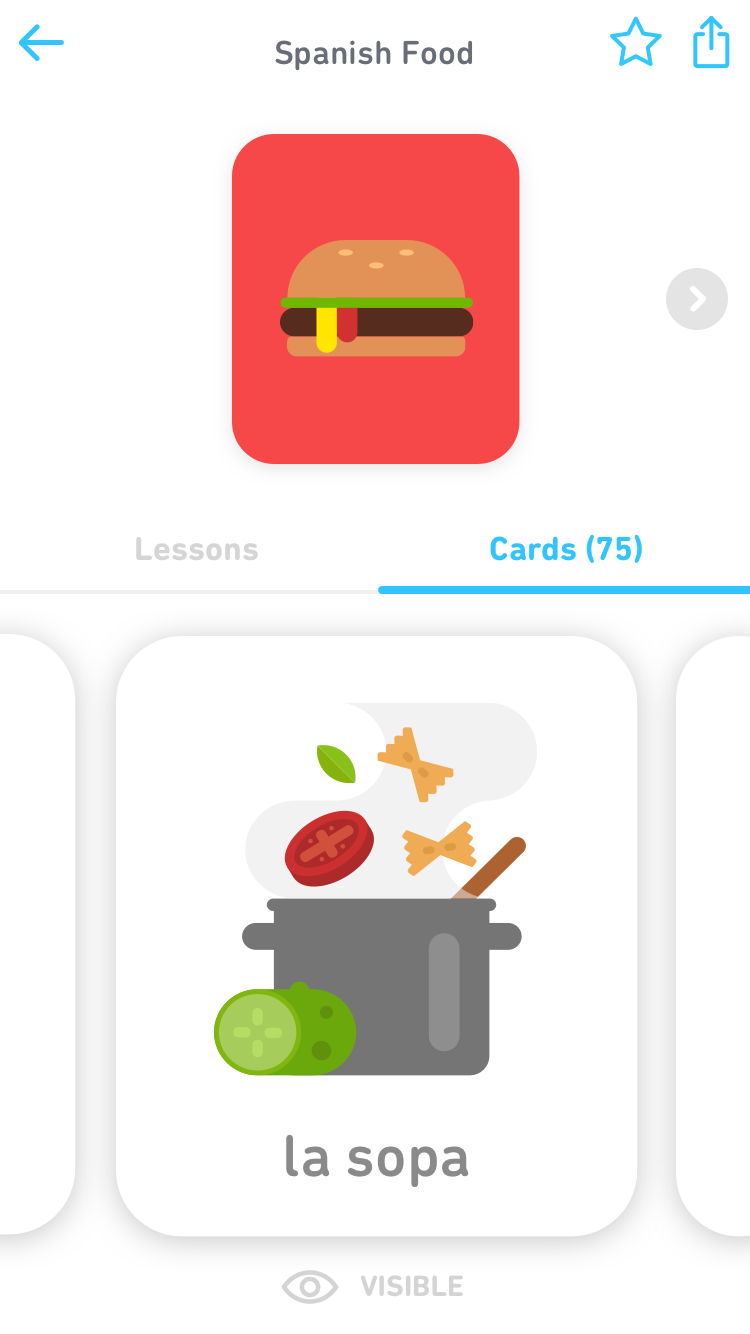
Learners can access more than 200,000 flashcard decks in Tinycards. Image: Duolingo.

Duolingo is best known for its science-based education platform used by more than 200 million users worldwide. Tinycards is a study aid designed for both K–12 and college students, which employs a spaced repetition technique and adapts to the individual user. Anyone can create their own flashcards on a topic that they are studying, or search through more than 220,000 existing decks by subject.

In December, Apple named Tinycards as one of its top 10 best iOS apps of 2016. Building off the success, Duolingo launched a web version earlier this year.

The app is now available in the Google Play Store for free.

About the Author

Sri Ravipati is Web producer for THE Journal and Campus Technology. She can be reached at [email protected].

Featured

  • digital graph

    Building Genuinely Data-Informed School Districts

    Schools today generate enormous amounts of data. The difference between collecting it and using it effectively often comes down to quality, access, and context.

  • Neon blue security locks with a single red highlight

    With AI, Cybersecurity Focus Shifts from Finding Flaws to Fixing Them

    For decades, one of cybersecurity's biggest challenges has been finding vulnerabilities before attackers do. A growing number of security professionals now say artificial intelligence is changing that equation, shifting the focus from discovering flaws to fixing them quickly enough to prevent exploitation.

  • Top View Shot in Elementary School Computer Science Classroom

    Education's Top 5 Technology Priorities and the Challenges Standing in the Way

    Cybersecurity ranks as the No. 1 priority for education technology leaders in the United States, according to the latest State of Ed Tech report from CoSN, yet insufficient cybersecurity staffing and the lack of a dedicated budget are key barriers.

  • Engineering team implements digital guardrails on AI

    3 Starting Points for Integrating AI Guardrails in K-12 Districts

    As education leaders start to craft an AI policy that is both practical and flexible enough to evolve with this fast-changing technology, there is at least one principle that should be foundational: AI should serve to augment human critical thinking and creativity but never replace human interaction and decision-making.