Tech Tools That Help Teach Common Core ELA
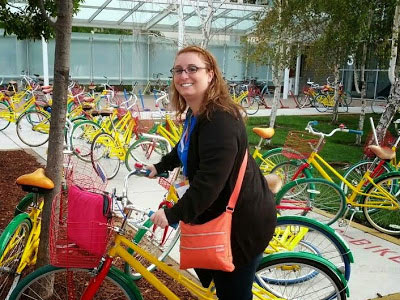 Natalie O’Neil is an English teacher at West Morris Regional High School (NJ), where her classes include many students with learning disabilities. In this interview, she shares the tech tools she uses to teach lessons that adhere to the Common Core ELA standards and prepare her students for PARCC assessments in the spring.
THE Journal: What is your biggest concern when it comes to teaching to the Common Core?
Natalie O’Neil: My biggest concern with teaching Common Core is treating authentic, meaningful, differentiated learning experiences that engage my students, while preparing then for the future and covering the curriculum, CCSS and PARCC.
THE Journal: How have you changed your teaching in reaction to that concern?
O’Neil: I try to focus more on the skills than particular texts.
THE Journal: What technology have you used to help support your pedagogical choices?
O’Neil: I use Google Apps for Education, Citelighter, and a few specific apps, extensions and add-ons that help make instruction more effective given the skill I'm teaching.
THE Journal: Can you share a lesson that was enhanced by one of those tools?
O’Neil: Using [education technology platform] Citelighter, students are able to access video links, articles and specific readings suggested or assigned by me that all live on their project platform. This makes organizing so much easier for them.
I assigned an analytic essay that asked students to utilize a Huffington Post article, a New York Times article, a novel and a film, and they were able to access each from their project site, capture necessary quotes, arrange them into their essay, analyze them using the digital source card comment feature, track bibliographic info, and eventually compose synthesized, well organized, evidence-laden argumentative essays.
THE Journal: How have students reacted to using new tech tools?
O’Neil: Most students think that technology in the classroom is cool. They appreciate changing things up, but then start to realize that it isn’t always easy to adapt. It sometimes takes a little extra time to learn new tools, while also considering plans for backups in case the technology doesn’t work. The students really appreciate when they can see how tools like Citelighter can help prepare them for PARCC and writing in general. As they improve with the help of technology, the students really see the benefit of these platforms in the classroom.
Some students are still unfamiliar with using educational technology, digital citizenship, and appropriate, academic uses of technology to enhance learning. But like all changes, gradual and continual integration works best. Rome wasn't built in a day.
THE Journal: With the first online assessments coming in the spring, what else do you have to do to make sure your students are as prepared as possible?
O’Neil: First, I have to give my students opportunities to practice. We synthesize texts, annotate, organize, gather evidence digitally.
THE Journal: What is the next new technology you want to implement in your classroom?
O’Neil: I hope to continue integrating technology so we spend less time preparing to learn and more time learning. When technologies like Citelighter become mainstream, and every classroom has devices and WiFi, we can do more of the thinking and making and analyzing and innovating we should be doing in school!
About the Author
Christopher Piehler is the former editor-in-chief of THE Journal.