Nebraska District Extends Security with Cameras and Door Access Control
- By Dian Schaffhauser
- 08/28/14
A small Nebraska school district has gone public with an upgrade in security from the use of an analog digital video recorder camera system in its high school building to track vandalism and doors locked by key to a surveillance system with dozens of network cameras and door secured with readers and controllers. North Bend Central School District worked with technology integrator Prime Communications to implement the Genetec Security Center, a network security suite that pulls together feeds from multiple cameras and other security devices to a single interface.
The 600-student school system includes two buildings. A federal bond enabled the district to acquire 36 Axis Communications IP cameras consisting of Axis M3203 fixed dome network cameras used indoors and Axis P1353-E fixed network cameras placed outside. The same funding added 15 Hid Global iCLASS door readers and Edge Evo controllers for both facilities.
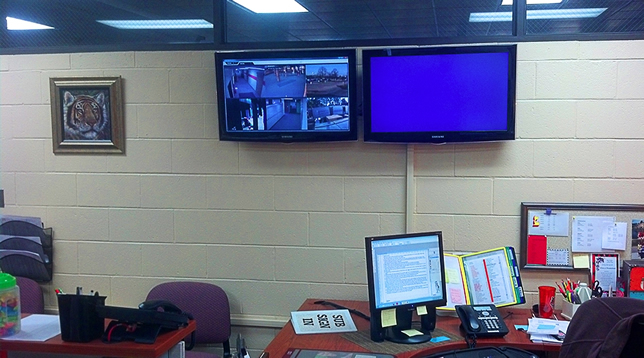
The video and access control data is transmitted over a dedicated virtual V-LAN network to a centralized server in the high school. Two terabytes are allocated for storage; 500 gigabytes is actively used to store up to two weeks of video.
Now a Genetec Synergis access control system automatically locks and unlocks the main entrances and exits of the buildings based on school schedules. When after-school events take place, the district facility people can tweak the settings in the software for exceptions. Also, administrators can activate and deactivate access cards as employment status changes among staff members.
"Because everything is automated, we don't need to have someone come in and manually lock or unlock doors anymore," said Technology Coordinator Jim Cody. "We schedule everything in the system or we assign community members visitor badges with specific privileges and access rights. Synergis has been really easy to use."
The district is using Genetec's Omnicast for video management, with cameras set to record on motion. Cody noted that motion detection approach "has saved us a lot of time searching for video and minimized storage costs."
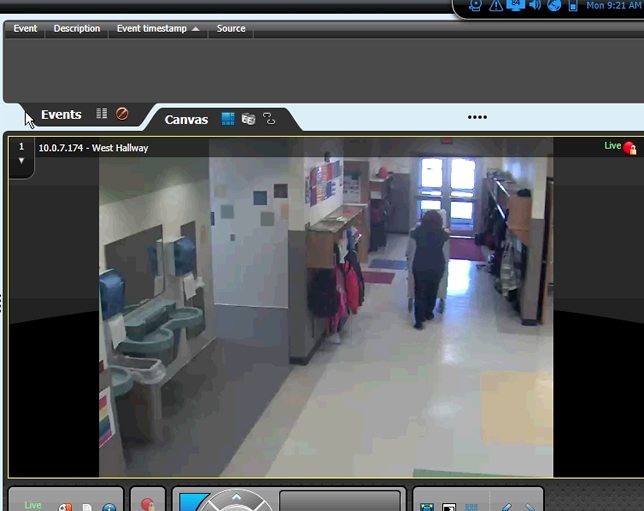
So far the security system has been used to help identify a person who had vandalized school property during an event and has come to the rescue in helping sort out what really happened during a traffic accident caught on one of the cameras.
About the Author
Dian Schaffhauser is a former senior contributing editor for 1105 Media's education publications THE Journal, Campus Technology and Spaces4Learning.