OpenSciEd Releases OER MS Science Curriculum
- By Dian Schaffhauser
- 09/23/19
OpenSciEd is rolling out one of the first curricula that both aligns with the Next Generation Science Standards and, as an open science education resource, is free. The nonprofit is working to produce an entire science curriculum that runs from elementary through high school, is freely downloadable and is designed to be used with low-cost standard laboratory equipment and materials. The organization is led by 10 partner states, science educators, curriculum developers and philanthropic organizations, including BSCS Science Learning, Northwestern University, Boston College, the Charles A. Dana Center at the University of Texas at Austin and Digital Promise.
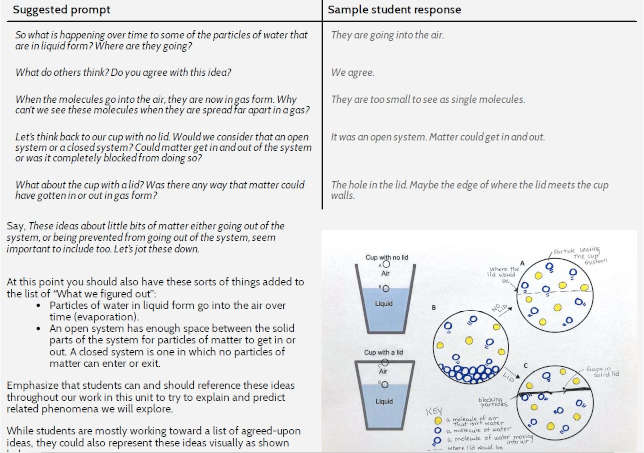
This first round of releases is for middle school science. The three units of instruction cover "thermal energy," "metabolic reactions" and "sound waves." They've passed evaluation by Achieve's Science Peer Review Panel (which has reviewed almost 300 units and given the top seal of approval to just 14, including these three) and are listed as examples of quality materials on https://www.nextgenscience.org/. Each unit covers about six weeks of classroom time.
"It's a privilege to provide schools with rigorous science instructional materials that combine the expertise of a world-class development consortium and the wisdom of current teachers, administrators and state leaders," said Jim Ryan, executive director of OpenSciEd, in a statement. "These first three units are just the beginning of this initiative, and we will continue to release instructional materials every six months until there is a complete middle grades program." That's expected to be done by early 2022.
The materials include professional learning content, a teacher edition of the curriculum along with the student edition and additional resources, all delivered as PDF files or Google documents that are editable.
OpenSciEd has also teamed up with printer Kendall Hunt and kit provider AquaPhoenix to make the materials available at "extremely competitive prices" for those schools that want to purchase the curriculum as a turnkey offering.
This project received financial support from several philanthropies, including the Bill & Melinda Gates Foundation and Carnegie Corporation of New York.
The curriculum is available with registration on the OpenSciEd website.
About the Author
Dian Schaffhauser is a former senior contributing editor for 1105 Media's education publications THE Journal, Campus Technology and Spaces4Learning.