4 Apps for Elementary Wellness Education
- By

- 06/19/14
Common Sense Media’s service Graphite, which offers independent ratings and reviews of learning apps and websites, has compiled this list of its top apps that help teach concepts including relaxation, yoga and healthy eating. For complete reviews, and for each app’s "Learning Rating," visit the Graphite website.
 Breathe, Think, Do with Sesame
Grades: Pre-K through 1
Price: Free
Concepts: Fine motor skills, wise decision-making
Using this app, kids can learn to manage everyday frustrations by helping Sesame Street characters learn to tie their shoes, cope with separation anxiety or take turns. Kids see how taking deep breaths and thinking about options and their actions can turn things out for the better. If needed, there are options for adults to assist. Read the full review.
 Super Stretch Yoga HD
Grades: Pre-K through 2
Price: Free
Concepts: Body awareness, fitness
Super Stretch Yoga HD offers a simple, appealing introduction to fun and easy yoga poses. Kids learn new ways to move their bodies and the importance of combining movement with breathing and relaxation. They also learn kid-friendly explanations for the names of the yoga poses. (Ever wonder why one pose is called a downward-facing dog?) Read the full review.
 Fizzy's Lunch Lab Fresh Pick
Grades: 1 through 3
Price: Free
Concepts: Balanced diet, addition
Fun games teach essentials for healthy eating, cooking, grocery shopping and keeping fit. A complement to the website Fizzy Lunch Lab, the app offers eight elimination challenges where students compete for scores to rank high on the nutrition scale and become the top lunch lab expert. Read the full review.
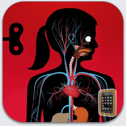 The Human Body by Tinybop
Grades: 3 through 8
Price: $2.99
Concepts: Body awareness, investigation
Interactive, layered human models complete with sound and movement explain how the body functions from head to toe. The app encourages kids engage in play to see skeletal structure, how the brain responds to stimuli or what happens when you eat meat or vegetables. The Human Body includes content in 50 languages, which can help build multilingual human anatomy vocabulary. Read the full review.
About the Author
Common Sense Education helps educators find the best edtech tools, learn best practices for teaching with tech, and equip students with the skills they need to use technology safely and responsibly. Go to Common Sense Education for free resources including full reviews of digital tools, ready-made lesson plans, videos, webinars, and more.