Orinoco AP-8000 by Proxim
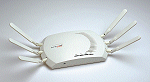
Orinoco AP-8000 by Proxim

Orinoco AP-8000
by Proxim

PROXIM now offers Orinoco AP-8000 dual-radio 802.11n access points in order to simplify 802.11n network deployments. Schools can achieve throughput rates of 320 Mbps with the dual-radio access point, offering higher performance than is available with existing wired and wireless local area networks. The solution also supports dynamic frequency selection in all 5-GHz bands, which supports network interoperability and eliminates interference. And because this solution uses the same mounting hardware as existing Proxim 802.11a/b/g access points and doesn't need additional wires and power injectors, upgrades are simple and less expensive. Price: $1,099.


Featured

  • digital lock with circuit patterns

    IBM Adds New AI-Powered Cybersecurity Tools

    IBM has unveiled an expanded portfolio of AI-powered cybersecurity products, positioning the company to compete more aggressively in a rapidly evolving market where enterprises are increasingly turning to artificial intelligence to defend against automated cyber threats.

  • Businessman using laptop analyzing data and growth graph chart

    Report: AI Budgets in Education Show No Sign of Decline

    The vast majority of education organizations (98%) expect their AI infrastructure budgets to either increase or hold steady over the next year, according to a report from cloud storage provider Wasabi.

  • Futuristic glowing digital book

    AI Won't Replace Teachers — But It May Be What Makes Structured Literacy Work at Scale

    Purpose-built AI systems can analyze patterns in student performance, identify specific skill gaps, and connect those gaps directly to instructional recommendations. Done well, this doesn't remove the teacher from the equation. It sharpens the teacher's ability to act.

  • teacher holding laptop in the class at school

    80% of Teachers Are Using AI Tools in the Classroom

    In a recent survey by PreK-12 marketplace TPT, 80% of educators reported using generative AI tools in their classrooms. The majority (58%) said they use AI regularly or occasionally, while 22% have tried it once or twice.