GE Donates 3D Printers to Hundreds of Schools, Colleges
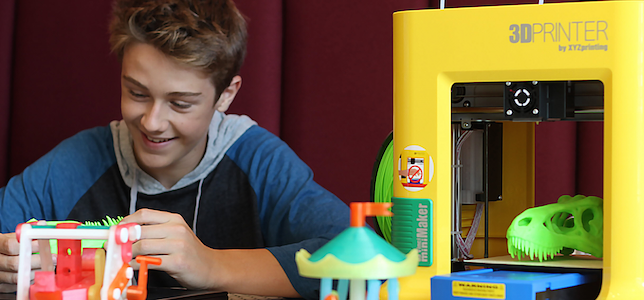
Image: XYZprinting.
As part of the GE Additive Education Program run by General Electric (GE), more than 400 K–12 schools and eight higher education institutions across the United States will receive free 3D printers, metal printing machines and other supplies to help students build skills in computer-aided design and additive manufacturing.
GE plans to send a desktop polymer printer package comprised of the Polar 3D and XYZprinting printers to primary and secondary schools later this year, according to a news release. These schools will also receive a two-year license to use the accompanying STEAMtrax curriculum; six rolls of filaments per printer; and a hands-on module kit called “Tinkering with Turbines.”
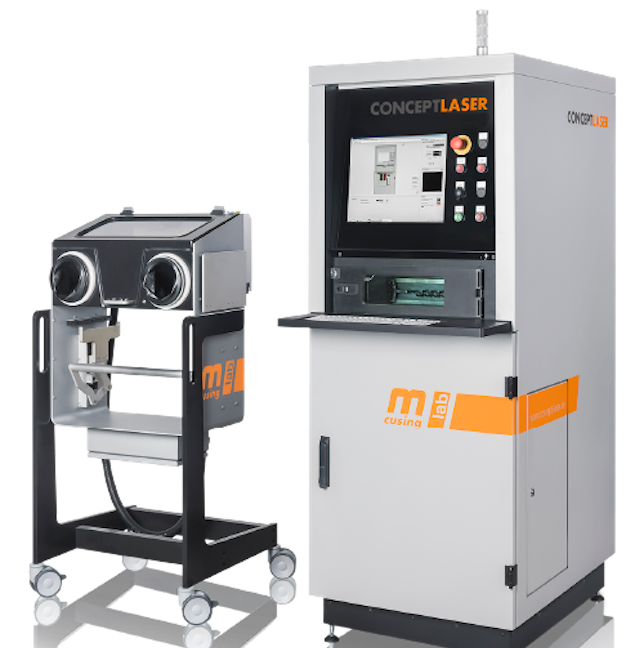
Image: Concept Laser.
Additionally, the company chose eight colleges and universities to receive metal printing machines (retailed at about $250,000 each) made from Concept Laser: Auburn University; Boston University; Iowa State University; North Carolina State University; Ohio State University; University of Cincinnati; University of New South Wales; and the United States Naval Academy.
The GE Additive Education Program is working to develop pipelines of future workforce talent to the additive manufacturing industry worldwide. At the beginning of the this year, GE committed to investing $10 million over the next five years to educational programs aimed at developing future additive talent. The next application window for the program opens during the first quarter of 2018.
Further information is available on the GE Additive Education Program site.
About the Author
Sri Ravipati is Web producer for THE Journal and Campus Technology. She can be reached at [email protected].