February TCEA Conference Drawing Thousands to Texas
- By Dian Schaffhauser
- 11/13/17
Alongside an estimated thousand other presentations, two media stars and activists will headline next year's TCEA conference and exposition, taking place in Austin, TX from Feb. 5 through Feb. 9.
Opening keynoter Marlee Matlin, Oscar-winning actress and author of four books, has spent three decades speaking out for ensuring better accessibility for children and adults in all endeavors. Judge Glenda Hatchett, known for her popular, nationally syndicated show, as well as two best-selling books, advocates for troubled children and teens. In the closing keynote Hatchett will speak about encouraging young people to reach their greatest potential.
The Texas Computer Education Association is a global, non-profit, member-based organization that supports the use of technology in education. The event draws international attendance of education people primarily from K-12 but also higher education.
Presentations, workshops, panel discussions, poster sessions, "solution circles" and exhibits will cover a multitude of education subjects, including these, pulled at random from just one day of the schedule:
- Blended learning in elementary
- 1-to-1 device repair: a student-based solution;
- Dive into the shark tank with PBL;
- Empowering parents 2.0;
- Exploring the world through virtual field trips;
- Fake news and high school students: land mines abound!;
- Finding free and open educational resources for the classroom;
- Four essential steps to personalized learning pathways;
- iLearn: one district's journey to successful PD;
- Leveraging video in the classroom;
- Mars mission specialist: payload design challenges (grades 3-8);
- Mind mapping gone digital 1.0;
- Super secrets of G Suite; and
- Top 25 techs for the teacher-librarian.
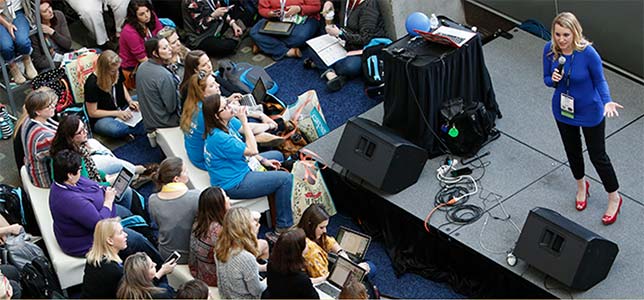
A premium registration (for an additional $90) grants entry to about 450 additional sessions beyond those available to attendees with basic registration. Most of Monday's session are set as premium. Premium sessions include "academies," sets of sessions on focused areas, including: English as a second-language and English language learning; math and science; Google; Minecraft; and technology leadership, among others. There are also bring-your-own-device premium sessions delivered in smaller, more collaborative settings
While hundreds of TCEA's presenters come from Texas-based school districts and districts in other states, plenty of other educations experts are also on hand:
A Tuesday night reception in the exhibit hall will give educators access to hundreds of vendors sharing their education tech solutions.
A Wednesday advocacy panel will address legislative changes in Texas intended to assist districts in delivering authentic learning to all students through the use of technology.
New this year is a Friday focus on new teachers. Content will cover classroom management tactics, free and easy-to-implement tech tools and additional topics intended to provide attendees with insights and resources to help them grow in the field.
Registration for this year's TCEA event is open on the conference website. The price of registration goes up beginning Jan. 11, 2018.
About the Author
Dian Schaffhauser is a former senior contributing editor for 1105 Media's education publications THE Journal, Campus Technology and Spaces4Learning.