3D Printing Pen Receives Endorsement for Learners with Vision Loss
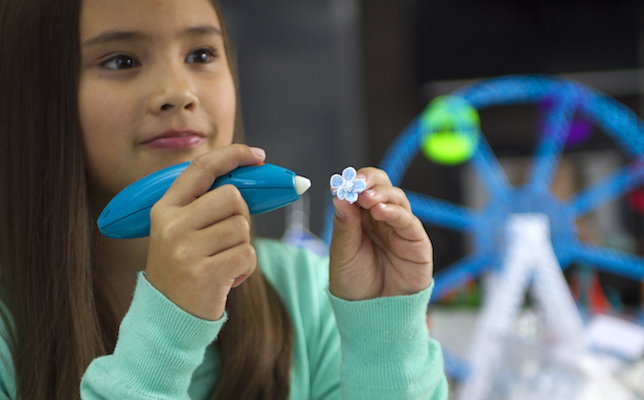
Images and video courtesy of 3Doodler.
3Doodler recently received a coveted endorsement for one of its 3D printing pens from a major United Kingdom-based charity for people who are blind or have vision loss.
The Royal National Institute of Blind People (RNIB) has endorsed the latest version of 3Doodler Start as easy-to-use for those with vision loss, making it one of only a dozen products to ever receive an endorsement from the charity. To be endorsed by the RNIB Approved program, products must undergo testing by several groups of students with blindness, partial sight or have other disabilities, as well as their teachers.
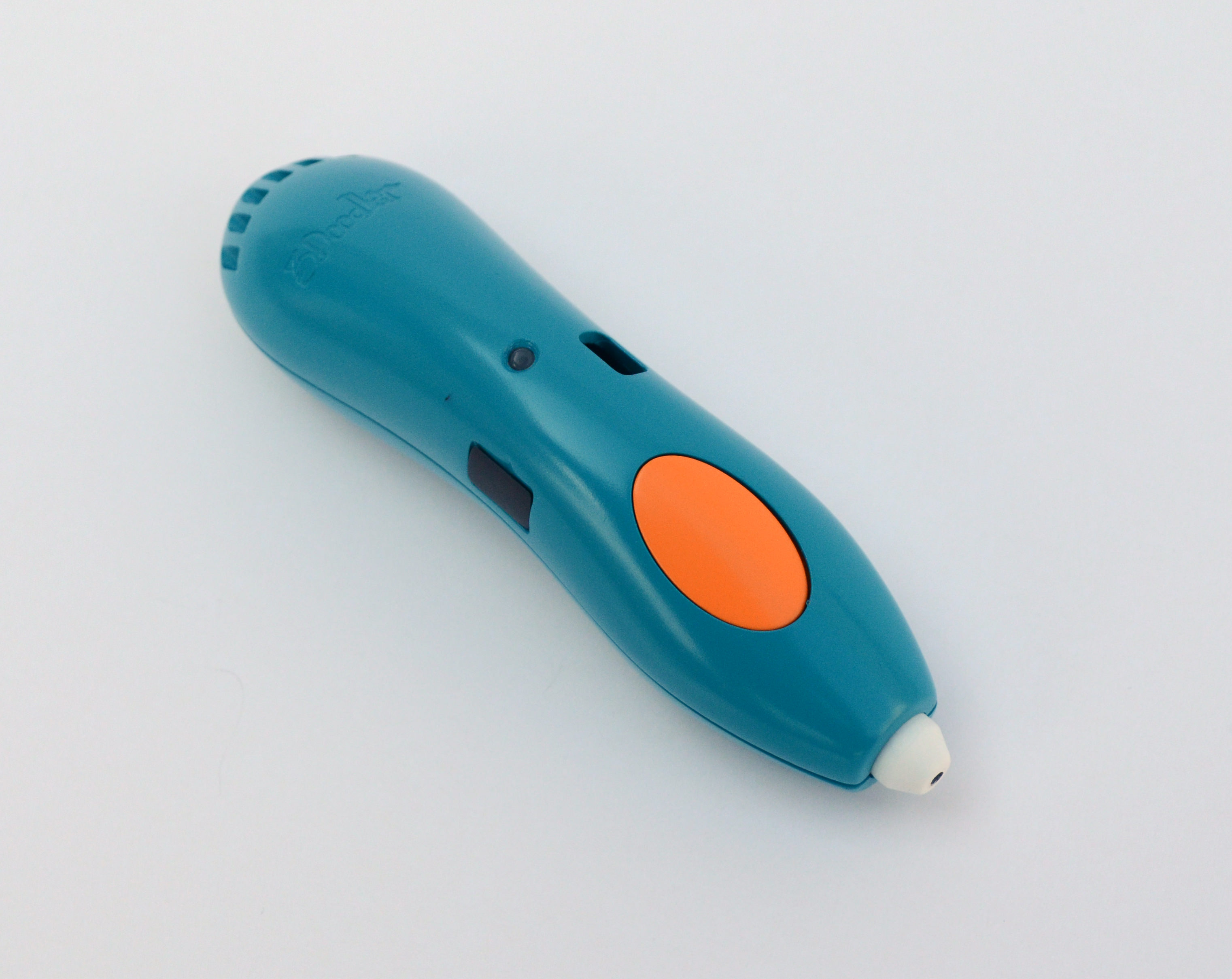
The 3Doodler Start 3D printing pen.
The company’s pens don’t require a computer like most 3D printers; users simply plug it in to begin drawing in the air. According to information from the company, 3Doodler has been inundated with customer feedback from the blind community since it first introduced a 3D printing pen to market in 2013.
“We took the feedback to heart,” 3Doodler President Daniel Cowen said in a prepared statement. “We got so many requests from 3Doodler users with sight loss and teachers of blind students, we started calling up organizations to explore how we could work with the sight loss community to make our 3D pen work better for them.”
After a year of feedback and testing — involving individuals and two schools for the blind — 3Doodler adjusted temperature settings, buttons and other features to better accommodate these learners. The updated Start pen now includes tactile buttons “to help those with sight loss easily locate the stop and start buttons and the on/off buttons,” for instance, according to the statement. There are no more hot parts of the pen either, so the plastic is now cool enough to touch. RNIB also helped add audio support for learners.
Roxana Stupp, director of the Disability Resource Center at University of Illinois at Chicago, commented in a statement that Start “seems to be an effective tool for those students, for whom touching and drawing in three dimensions makes the difference in their learning experience.”
To learn more about the RNIB-3Doodler collaboration, visit the 3Doodler site here.
About the Author
Sri Ravipati is Web producer for THE Journal and Campus Technology. She can be reached at [email protected].