Early Childhood Programs Reduce Need for Special Ed
- By Dian Schaffhauser
- 02/09/15
 Attendance in an early childhood program dramatically reduces the chance that a child will need to be placed in pricier special education in third grade, according to research just published by Duke University. The findings were released just days after the North Carolina university announced that it was opening a data analytics center focused on answering early childhood questions about children and families for the local area and months after the White House launched a public awareness campaign to expand early childhood program.
Researchers at the Duke Center for Child and Family Policy, which is hosting the new data analytics project, tapped into comprehensive state public school data going back to the 1990s. They tracked two main sets of variables over a 13-year period: funding levels for preschool programs in all 100 counties and third grade special education placements in those counties.
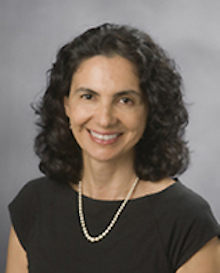
Lead author Clara Muschkin
What they found was that early childhood initiatives "Smart Start" and "More at Four" "significantly reduce the likelihood of special education placement in the third grade — by 39 percent — resulting in considerable cost savings to the state." Smart Start is a state program with childcare, health screenings and other services to children up to five years old. More at Four, now called the "NC Prekindergarten Program," offers preschool slots for low-income or otherwise disadvantaged four-year-olds.
According to lead author Clara Muschkin, an associate director at the Center, special education costs nearly twice as much nationwide as regular classroom education. "Policymakers are concerned about costs," she said in a statement. "Our findings suggest one concrete way that early childhood investments can lead to long-term cost savings."
At 2009 funding levels, the research found, Smart Start reduced special ed placements by 10 percent; More at Four reduced placements by 32 percent. For every $100 a county spent on Smart Start, special ed placements dropped by 1 percent county-wide, on average. For every $100 spent on More at Four, special ed placements fell by 3.47 percent.
Placements for diagnosed learning disabilities, in particular, which made up about 42 percent of all "exceptionality" categories, saw noticeable drops with early childhood funding.
"Access to early education may allow some children to transition early from special education placements," Muschkin said. "For some children, early intervention and treatment may help them to avoid special education in school altogether."
About the Author
Dian Schaffhauser is a former senior contributing editor for 1105 Media's education publications THE Journal, Campus Technology and Spaces4Learning.