Hamilton Electronic's USB-compliant Headphones
Product Focus

GETTING AN EARFUL: Hamilton’s new line
of headphones comes with a deluxe option.

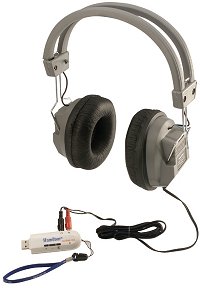
HAMILTON ELECTRONICS USB-compliant line of headphoneseliminates the need for a sound card or additional software. The PersonalSeries comes with replaceable ear pads, while the Deluxe Series isavailable with leatherette ear pads and with or without a microphone.The headphones are equipped with preloaded software offering digital soundquality and plug-and-play convenience. Accessories such as microphones andUSB headphone adapters, which allow the user to convert an ordinary set ofheadphones into a USB-ready model, are extra. Price: Personal Series $24,Deluxe Series $34.

Featured

  • circuit patterns

    Anthropic Intros Lower-Cost Claude Sonnet 5

    Anthropic has launched Claude Sonnet 5, positioning the model as its most autonomous mid-tier offering to date and a lower-cost alternative to its flagship Opus 4.8 system. The company said the model can plan multi-step tasks, operate tools such as browsers and terminals, and complete agentic work at a level that previously required larger and more expensive models.

  • abstract streams of text and data

    Anthropic Intros Invisible Watermarks to Claude-Generated Text

    Anthropic announced it is introducing machine-readable watermarks to text generated by supported Claude models as it moves to comply with European Union AI transparency rules.

  • Futuristic glowing digital book

    AI Won't Replace Teachers — But It May Be What Makes Structured Literacy Work at Scale

    Purpose-built AI systems can analyze patterns in student performance, identify specific skill gaps, and connect those gaps directly to instructional recommendations. Done well, this doesn't remove the teacher from the equation. It sharpens the teacher's ability to act.

  • lock symbol with quantum bits in dynamic motion

    Microsoft Accelerates Quantum-Safe Security Timeline

    Microsoft is speeding up its quantum-safe security timeline, noting that advances in quantum computing and new federal requirements have pushed post-quantum cryptography from a future planning issue into an immediate engineering priority.