Biology Class Dissections to Get Virtual Treatment
- By Dian Schaffhauser
- 01/30/19
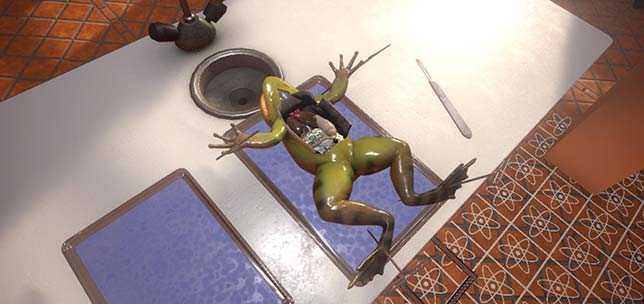
Two companies have teamed up to provide students with options to perform real or virtual dissections. Carolina Biological Supply is working with VictoryVR on the project. The first company provides supplies for science programs in K–12 and higher education; the second company develops virtual reality content in several segments, including education.
While dissections are an integral part of most biology classes, many states now have laws in place that give students the right to opt out of animal dissections. The new solution offers schools an option, starting with a VR frog, which is expected to be available in this quarter. The companies said additional specimens would be released before the end of 2019.
The VR dissection lessons will be led by Wendy Martin, an Iowa high school science teacher, who will exist as a hologram within the virtual experience to teach students how to use the instruments and to walk them through the steps of dissection.
"Frog dissections in science class are a rite of passage for most American students, but as the times change, we are adapting with them," said Bruce Wilcox, vice president of Carolina Biological, in a statement. "Dissections are an important part of teaching students biology at the high school level and a critical piece of teaching health professionals at the university level. We believe that virtual reality will supplement what we are doing today and be an integral part of learning tomorrow."
About the Author
Dian Schaffhauser is a former senior contributing editor for 1105 Media's education publications THE Journal, Campus Technology and Spaces4Learning.