Most High Schoolers Expect to Head Back to School in the Fall

Spring fever is taking on a new profile in a time of pandemic stay-at-home orders. High schoolers are now feeling much more enthusiastic about the prospect of returning to school in the fall. In a survey by education technology company Quizlet, 69 percent of high school students said they were "more excited" to go back to school for 2020-2021 than they felt at this time last year. Just 22 percent said they felt the same; and 10 percent said they were less excited.
Most High Schoolers Expect to Head Back to School in the Fall

The company produces flashcards, games and other tools to keep students engaged in their learning.

The survey, which queried 2,750 people, also found that the majority of high schoolers (75 percent) were "certain" that they'd be attending in-person classes next fall.

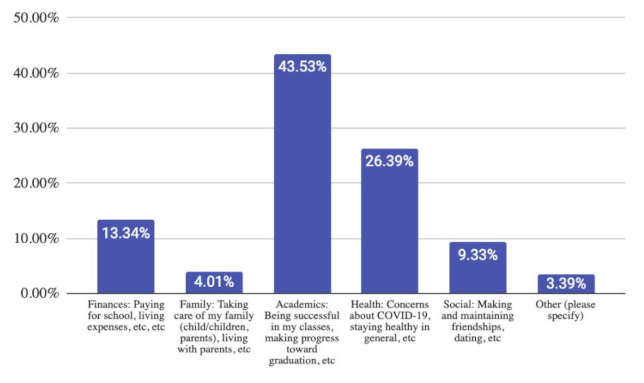
When they were asked what their biggest worries were for the new school year, academics reigned. Forty-four percent said being successful in their classes was the biggest concern. Another 26 percent said health concerns dominated. And 13 percent mentioned finances.

What are these students most looking forward to? According to the company, the biggest response was, "Getting to see my friends on campus again."

The full write-up of the survey is available on the Quizlet website.

About the Author

Dian Schaffhauser is a former senior contributing editor for 1105 Media's education publications THE Journal, Campus Technology and Spaces4Learning.

Featured

  • digital graph

    Building Genuinely Data-Informed School Districts

    Schools today generate enormous amounts of data. The difference between collecting it and using it effectively often comes down to quality, access, and context.

  • Neon blue security locks with a single red highlight

    With AI, Cybersecurity Focus Shifts from Finding Flaws to Fixing Them

    For decades, one of cybersecurity's biggest challenges has been finding vulnerabilities before attackers do. A growing number of security professionals now say artificial intelligence is changing that equation, shifting the focus from discovering flaws to fixing them quickly enough to prevent exploitation.

  • Top View Shot in Elementary School Computer Science Classroom

    Education's Top 5 Technology Priorities and the Challenges Standing in the Way

    Cybersecurity ranks as the No. 1 priority for education technology leaders in the United States, according to the latest State of Ed Tech report from CoSN, yet insufficient cybersecurity staffing and the lack of a dedicated budget are key barriers.

  • Engineering team implements digital guardrails on AI

    3 Starting Points for Integrating AI Guardrails in K-12 Districts

    As education leaders start to craft an AI policy that is both practical and flexible enough to evolve with this fast-changing technology, there is at least one principle that should be foundational: AI should serve to augment human critical thinking and creativity but never replace human interaction and decision-making.