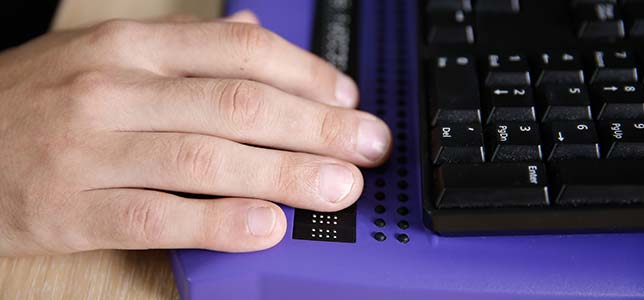
The Bureau of Internet Accessibility (BoIA) recently shared the results of automated tests it ran to check the accessibility of a handful of school websites and found that those tested had "extensive" issues related to accessibility.

Of an estimated 32 million children around the world who are deaf, hard of hearing or deaf-blind, four in five lack access to education, and just 2 percent get instruction in sign language. Because early exposure to sign language builds a stronger language foundation, those without it are affected in education, employment and social interaction.
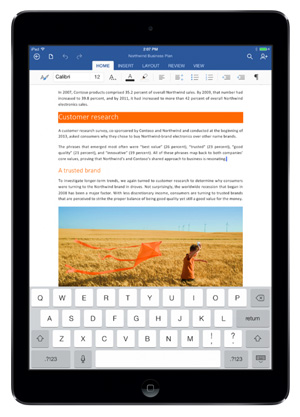
Microsoft has introduced new updates to improve accessibility and inclusivity across a range of education tools.
Campus Suite Academy has launched a new website with resources designed to help school and district administrators ensure their digital communications are in compliance with the Americans with Disabilities Act (ADA).

The College Board, which administers the SAT and Advanced Placement tests and programs, has teamed up with nonprofit Khan Academy to create preparatory materials and exercises for AP courses, to be available for free on Khan Academy’s website.
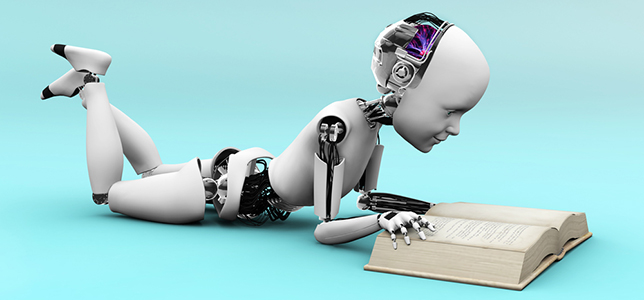
Teachers, materials, students — the big 3 of K–12. Materials (1-to-1, OER-based textbooks) are changing dramatically, but teachers and teaching is about to be disrupted in the Christensen-sense. Machine learning will drive personalized learning into America’s schools. On that you can rely!
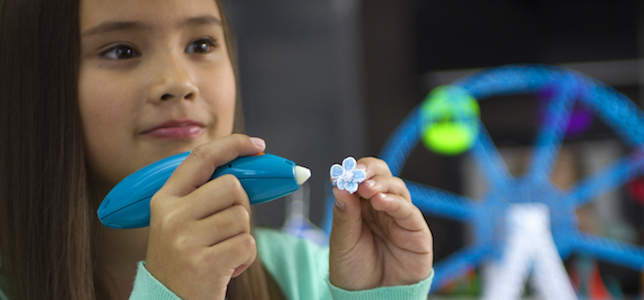
3Doodler recently received a coveted endorsement for one of its 3D printing pens from a major United Kingdom-based charity for people who are blind or have vision loss.
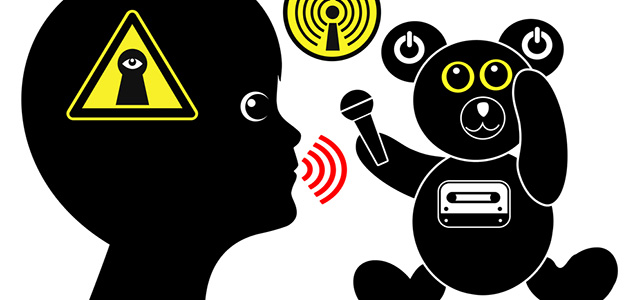
The FBI has issued a consumer notice warning that internet-connected toys could pose a privacy and contact threat to children, because of the large amount of personal information that may be unknowingly revealed.
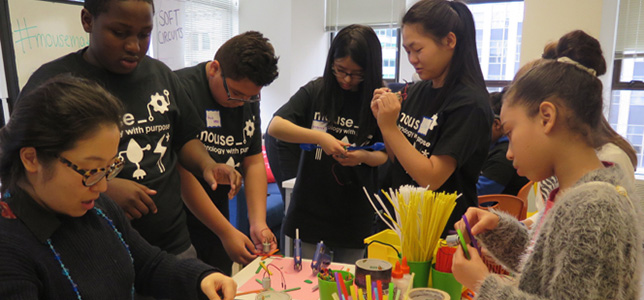
Mouse, a New York-based nonprofit, is launching a handful of STEM courses this fall, aimed at teaching students new skills based on cutting edge technology.
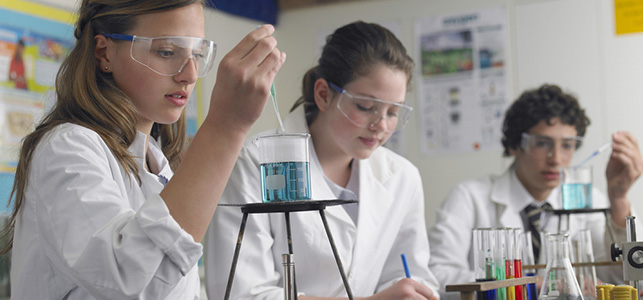
The highest achieving students from Generation Z anticipate building careers in STEM fields and healthcare, and they aim to do it with advanced degrees and studies abroad.